Find, compare and buy robots from top manufacturers
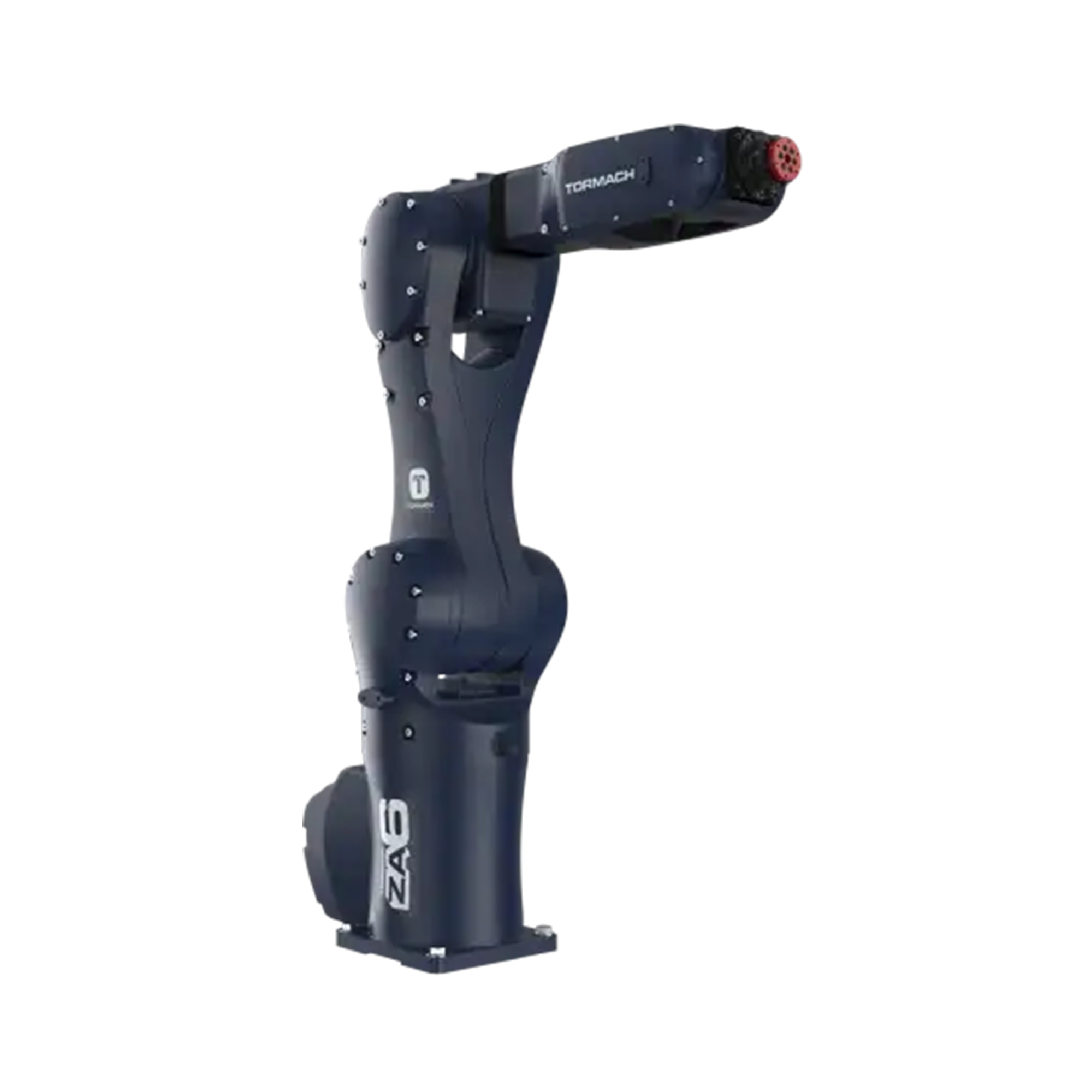
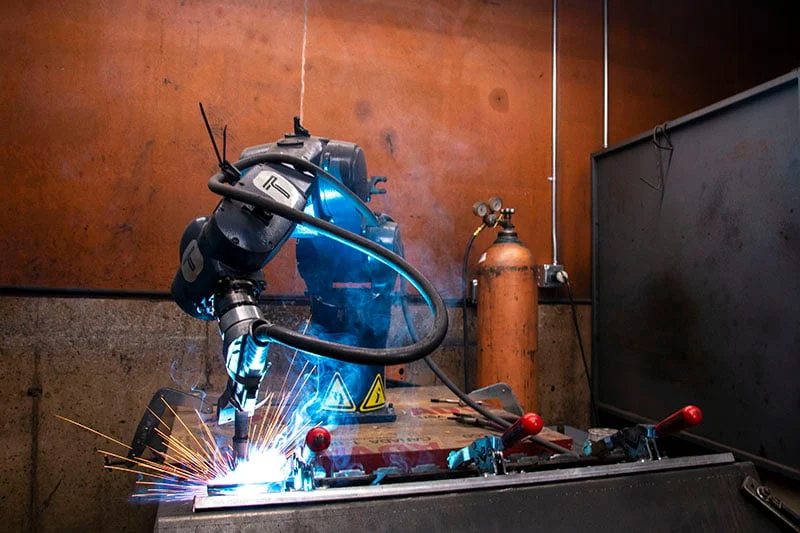
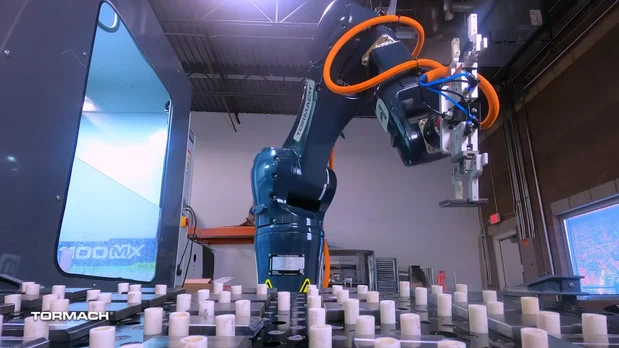
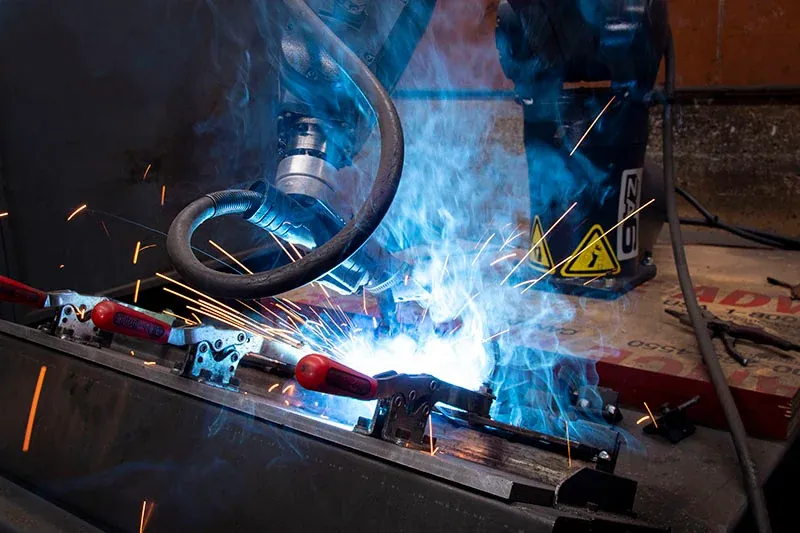
The Tormach ZA6 is a six-axis industrial robot arm built for CNC machine tending, part handling, education, prototyping, and Python-driven automation.

Get quotes in 24–48 hours

Verified suppliers & secure process

Transparent pricing & guidance


The Tormach ZA6 is a six-axis industrial robot arm designed for CNC machine tending, part transfer, automation development, education, and light industrial handling.
It combines a 6 kg-class payload, approximately 975 mm reach, PathPilot-based programming, Python access, and an open robotics ecosystem that can connect robot motion with CNC workflows.
The ZA6 is best suited for Tormach users, machine shops, technical schools, laboratories, and developers that want an accessible industrial arm for loading machines, moving parts, testing tools, and building custom automation.
Its strongest proposition is the combination of an accessible industrial arm, PathPilot integration, and Python control, particularly for CNC-focused teams that want to build and adapt their own automation workflows.
Suitable for light parts, grippers, fixtures, and CNC tending tasks.
Covers compact machines, benches, trays, and small automation cells.
Visual robot workflows with Tormach-oriented controls and programming tools.
Supports custom automation logic and developer-led robot applications.
Designed to connect robot handling with PathPilot-controlled machine workflows.
Flexible joint movement for loading, transfer, inspection, and prototyping.
Industrial robot arm
Machine tending and welding
Indoor industrial; IP65
Fixed industrial cell; risk assessment and external safety integration are required
6 kg
975 mm
Fixed robotic arm
Application-specific industrial grippers, welding torches and tools
Joint speeds up to 150–360°/s, depending on axis
Mains powered
Single-phase 200–240 VAC, 50/60 Hz; 20 A circuit
PathPilot, Python and ROS
Joint position feedback; external guarding, interlocks and application sensors are required as appropriate
Overall envelope depends on joint pose; 975 mm reach
65 kg including robot and electrical cabinet


The Tormach ZA6 price does not have one dependable global retail figure. Current cost depends on whether new stock remains available, whether the offer is developer inventory or a used system, and which controller, gripper, software, accessories, documentation, warranty, and support are included. Older launch prices or reseller pages may describe a different hardware revision and should not be treated as the current delivered price.
Buyers should also budget for freight, taxes, import duties, mounting hardware, integration, spare parts, training, and any software or safety work needed for the intended application. With a developer platform, missing cables, licences, firmware, or technical support can matter more than cosmetic condition. Before purchasing, ask for the model revision, serial number, package list, warranty position, and proof that the system powers on and communicates correctly.
You can request a Tormach ZA6 sourcing quote through Anton Robots to check current availability and compare the complete package.
You can request sourcing help for the Tormach ZA6 through Anton Robots. Current availability should be confirmed because offers may include new developer stock, older inventory, demonstration units, used systems, or different hardware revisions rather than one standard retail package. The Tormach ZA6 may also be found through Tormach, specialist robotics sellers, research-equipment suppliers, and the secondary market, but not every listing includes the same controller, gripper, software access, cables, licences, or support.
Before buying, confirm the exact revision and complete package. Ask whether the system is operational, whether firmware and development tools remain accessible, who handles warranty or technical support, and whether spare parts can still be obtained. For university and R&D buyers, software compatibility and documentation can be as important as the arm itself.
You can request a Tormach ZA6 sourcing quote through Anton Robots to compare availability, package completeness, delivery, support, and suitable alternatives.
You may find the Tormach ZA6 for sale through Tormach, specialist robotics suppliers, research-equipment dealers, older distributor inventory, and the used market. Availability can vary by country and hardware revision, so buyers should not assume that every listing represents a current, factory-supported new unit. Verify the exact model, controller, gripper, firmware, software version, cables, power supply, documentation, and development access before purchasing.
For a research arm, missing software or an unsupported interface can be more limiting than cosmetic wear. Ask the seller to demonstrate communication, joint motion, homing, end-effector operation, and any included APIs or ROS packages. Also check warranty status, spare parts, freight, taxes, and who can help if the arm arrives with a fault. A complete tested package is usually safer than the lowest visible price.
If you are looking for a Tormach ZA6 for sale, contact Anton Robots and we can help compare the available package with supported alternatives.
Yes. You can request a Tormach ZA6 quote through Anton Robots. A useful proposal should describe more than the robot name and a headline price. It should identify the exact model or revision, condition, payload, reach, controller, software, cables, teach interface, included end effector, mounting hardware, delivery assumptions, warranty position, and available support.
For developer or limited-availability equipment, ask whether the system has been tested and whether commissioning, training, licences, spare parts, and integration are included or separate. The quotation should also be based on the real application: part weight, tool weight, required reach, cycle time, mounting position, environment, safety needs, and communication with other equipment. A cheaper arm can become the more expensive project if key components or engineering work are omitted.
Anton Robots can help compare the complete package, identify gaps, and assess whether the Tormach ZA6 or another robot is the safer fit for your budget and use case. This is especially important when comparing a current product against older or incomplete listings.
A Tormach ZA6 package should be checked against a written packing list. For a developer platform, confirm the hardware revision and software access as carefully as the physical parts. Before buying, confirm whether the proposal includes:
Also ask whether the arm and controller are matched, which software version is supported, and whether the equipment has been tested as one system. Grippers, vision, mounting hardware, safety equipment, commissioning, training, and integration may be separate even when they appear in product images. For used equipment, obtain serial numbers and proof of operation. For a current product, confirm who supplies and supports every optional component. Two offers labelled Tormach ZA6 can therefore represent very different levels of readiness and total cost.
You can request an itemised Tormach ZA6 package through Anton Robots to compare the robot, controller, accessories, delivery, warranty, and support before purchasing.
The Tormach ZA6 payload is commonly specified at 6 kg, with a reach of approximately 975 mm. That makes it suitable for light CNC parts, compact grippers, inspection tools, trays, and machine-side handling. The 6 kg figure must include everything attached to the wrist: workpiece, gripper, fingers, brackets, sensors, hoses, and cables.
Reach should be checked through the complete motion path rather than as a straight-line distance. The arm must clear the machine door, chuck, fixture, table, guarding, and pickup trays without approaching joint limits or singularities. For CNC tending, verify the heaviest blank and finished part, tool orientation, door-opening sequence, and the load centre. Because current packages may vary, confirm the exact datasheet and controller configuration for the unit being sourced.
You can request ZA6 application sizing through Anton Robots before selecting the robot and tooling.
The Tormach ZA6 can usually be shipped internationally, subject to seller availability, destination, export rules, freight capacity, customs requirements, and the condition of the equipment. Robot arms should be packed securely because impact, moisture, unsupported joints, or poor restraint can damage reducers, brakes, encoders, connectors, and covers. The quotation should state whether professional crating, insurance, lift-gate delivery, customs documentation, and local transport are included.
Buyers may also need to pay freight, import duties, VAT, GST, brokerage, and unloading costs. For used or older systems, confirm that the controller, cables, teach device, and accessories are packed with the matched robot and clearly identified. Batteries inside controllers or pendants may create additional transport requirements. Before shipment, request photographs, serial numbers, a packing list, and evidence that the system has been tested.
If you need the Tormach ZA6 shipped internationally, request an international quote through Anton Robots so the landed package, customs responsibilities, delivery terms, and support arrangements can be checked before purchase.
Tormach ZA6 stock and delivery should be confirmed for the exact hardware revision. Offers may come from developer inventory, specialist resellers, laboratories, demonstration stock, or the secondary market, and availability may not follow a normal factory lead-time process. Ask whether the unit is new, used, refurbished, or demonstration equipment and whether the controller, gripper, software access, licences, cables, and documentation are included. Delivery can also depend on testing, firmware preparation, export paperwork, freight, and customs clearance.
If the arm is required for a university course, grant milestone, prototype, or client demonstration, do not assume that an online page means immediate stock. Confirm the serial number, expected dispatch date, technical support route, and what happens if the system arrives incomplete.
You can request current Tormach ZA6 availability through Anton Robots and compare it with supported alternatives before setting a project deadline.
Before buying the Tormach ZA6, confirm whether the offer includes a manufacturer warranty, reseller warranty, limited functional guarantee, or no coverage. Availability of support may depend on the hardware revision, seller, firmware, development tools, and whether the product remains in the supplier’s current commercial programme. Ask who handles setup, communication faults, joint calibration, gripper issues, and software access after delivery.
Also confirm whether replacement actuators, cables, power supplies, and controller components can still be obtained. For a used or development unit, request a power-on test, motion demonstration, serial number, firmware version, and written list of known defects. Universities and laboratories should make sure the software can be installed on their current systems and that documentation is available to future users. A low price is poor value if the arm cannot be supported or reproduced in the project.
Contact Anton Robots to compare warranty, support, and replacement options before purchasing the Tormach ZA6.
The Tormach ZA6 can be worth buying if you want an accessible industrial arm for CNC tending, robot programming, education, or custom automation. Its main strengths are its useful six-axis workspace, 6 kg-class payload, PathPilot integration, and developer-friendly Python and ROS ecosystem, making it relevant for machine shops, Tormach CNC owners, technical schools, laboratories, and robotics developers.
Buyers should still check current availability, controller completeness, software support, industrial safeguarding, integration effort, and whether the payload is sufficient. Because supply may depend on remaining or used systems, confirm the exact package and support position before building a project around it. Size the robot from the real application: include the gripper and part in the payload, verify reach to every target, and review cycle time, mounting, environment, software, safety controls, and long-term support. A cheaper arm that needs unavailable parts or extensive engineering can cost more than a supported alternative. The correct decision is based on the complete deployed system and expected operating life, not the robot-arm price alone.
You can browse the robotic arms catalogue or request advice through Anton Robots before deciding whether the Tormach ZA6 is worth buying.
The Tormach ZA6 is best suited to CNC machine tending, light part transfer, test-fixture loading, inspection positioning, laboratory automation, teaching, and custom proof-of-concept cells. Its strongest fit is loading and unloading Tormach mills or lathes through PathPilot-oriented workflows. The robot arm does not create a complete application by itself. Real deployments may require a gripper or process tool, fixtures, part presentation, machine or PLC communication, vision, safety equipment, and commissioning.
Cycle time and reliability depend on the complete system, not only the published payload and reach. Check the weight and centre of gravity of the tool and part, every approach path, environmental conditions, and the required duty cycle. Some tasks that look simple in a demonstration become difficult when parts vary, access is restricted, or error recovery is required. The Tormach ZA6 should also be kept within its intended role: it is an industrial arm rather than a mobile robot or a plug-and-play collaborative system.
You can request a Tormach ZA6 application review through Anton Robots to compare the robot, tooling, integration, and safer alternatives before building the cell.
The Tormach ZA6 is programmed through the PathPilot Robot environment, with visual controls, Tormach Robot Programming Language, and Python-oriented tools. ROS or ROS2 drivers may also be relevant for research and custom integration, depending on the software release and package.
Before buying, confirm the exact controller generation, firmware, software version, licences, supported operating systems, and communication options supplied with the unit. A production or research programme needs more than recorded motion: include tool control, I/O, interlocks, fault handling, safe stop behaviour, recovery, and backups. Ask the seller or integrator to demonstrate the workflow that your operators or developers will actually use, not only a simple movement example.
If the project depends on ROS, an API, a fieldbus, a specific PLC, vision system, or offline programming tool, validate that interface with the exact hardware revision before purchase. Legacy packages may require older software, while current products may have optional licences or modules. Contact Anton Robots to compare the complete programming and integration package for the Tormach ZA6.
A Tormach ZA6 system requires a matched controller and PathPilot-compatible control setup, but the exact computer, controller hardware, emergency-stop equipment, display, keyboard, and teach interface can vary by seller and package. Ask for a written list of the controller, power equipment, robot cables, emergency-stop hardware, teach interface, software, licences, mounting equipment, and documentation. Grippers, vision, stands, safety scanners, process equipment, and application kits are often separate unless the quotation states otherwise.
For a used or limited-availability system, request a power-on video showing the controller booting and the robot moving all joints without unresolved faults. Confirm that the controller is matched to the arm and that calibration, parameters, and programme backups are available. Missing proprietary control hardware can make an otherwise inexpensive robot unusable. For a current product, verify input power, I/O, fieldbus, safety interfaces, and who will commission and support the controller after delivery.
You can request an itemised Tormach ZA6 control package through Anton Robots before comparing suppliers.
The Tormach ZA6 should be treated as an industrial robot, not as a robot that is automatically safe for unrestricted collaboration. CNC tending adds hazards from machine doors, chucks, vises, cutting tools, chips, hot parts, and automatic cycle start. Safety depends on speed, payload, tool shape, workpiece, trapping points, mounting, environment, and human access. A smooth gripper moving a light rounded object creates different hazards from a sharp component, screwdriver, welding torch, hot part, or heavy offset tool.
The application may require emergency stops, guarded or monitored access, speed and force limits, safety scanners, interlocked gates, safe teaching modes, or physical fencing. Collaborative branding does not make every tool or process collaborative, and a reduced-speed setting does not replace a risk assessment. Confirm which safety functions are available in the exact controller and how they are configured, tested, and documented. Operators and maintenance staff need appropriate procedures and training.
Contact Anton Robots to review whether the Tormach ZA6 can operate near people or requires additional safeguarding.
Choose the Tormach ZA6 when PathPilot integration, Python development, Tormach CNC workflows, and an industrial-arm approach are central. Choose a current collaborative robot when hand-guiding, current safety functions, broad accessory support, or easier operation near people is more important.
Do not choose by model name or headline payload alone. Compare the complete tool and part weight, centre of gravity, reach to every target, repeatability, speed, mounting, environmental protection, controller, software, safety functions, lifecycle support, delivery, and local service. A legacy unit may be attractive as a direct replacement because mechanical and programme compatibility can outweigh age. A current model is usually safer for a greenfield project because warranty, documentation, parts, and integration support are clearer. A larger arm can add capacity but may increase cell size, cost, and safety requirements. A smaller arm can be easier to deploy but leave insufficient engineering margin.
You can request a robot comparison through Anton Robots based on your real application, budget, existing equipment, and support requirements.
A complete Tormach ZA6 CNC cell may need an electric or pneumatic gripper, custom fingers, blank and finished-part trays, a rigid robot base, automatic machine-door equipment, chuck or vise control, part-presence sensors, chip management, and I/O between the robot and CNC. The cell may also need a stable base, fixtures, trays, feeders, conveyors, machine interfaces, valves, air preparation, cables, tool changers, and safety equipment. Vision applications require a camera, lens, lighting, calibration, and software.
Machine tending may need automatic doors, chuck or vise control, part sensing, and machine I/O. Educational and research systems may need curriculum, computers, SDK access, or simulation licences. Validate the combined tool and part weight, centre of gravity, reach, cycle time, cable routing, and environmental exposure using the real components. The robot’s published specification does not guarantee that a complete process will work. Confirm who integrates and warrants the system and who supports it after installation.
You can request an itemised Tormach ZA6 system quote through Anton Robots rather than comparing arm-only prices.
Tell us what you need. Our experts will help you find the right robot for your business.
Browse Robots
Humanoid Robots
Robot Dogs
Robotic Arms
Cobots
AMR Robots
AGV Robots
Service Robots
Companion Robots