Find, compare and buy robots from top manufacturers
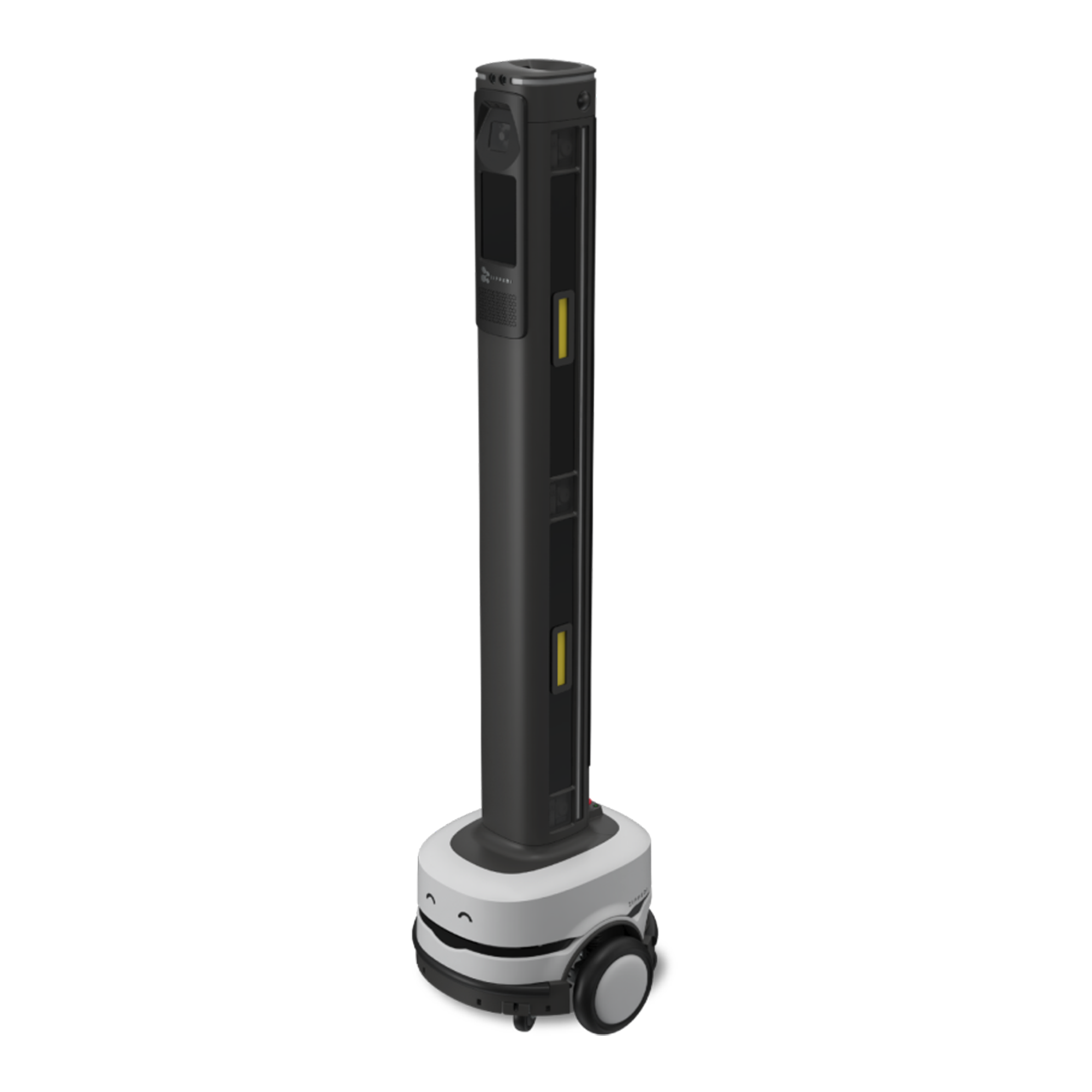
Zippedi Zippy is an autonomous retail inventory-scanning robot for shelf visibility, price-tag capture, overhead stock, RFID data, and store-execution analytics.

Get quotes in 24–48 hours

Verified suppliers & secure process

Transparent pricing & guidance


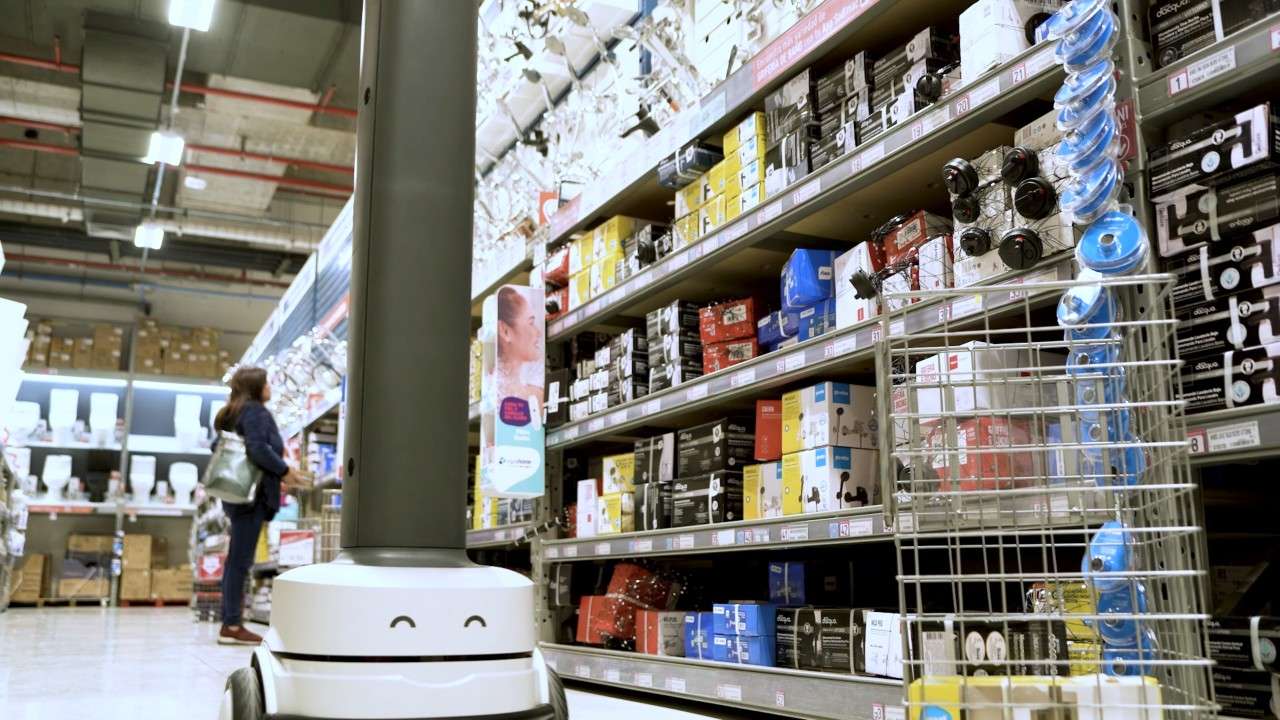
Zippedi Zippy is an autonomous retail-scanning robot designed to create accurate digital visibility of products, shelves, prices, displays, and overhead inventory inside stores.
It combines autonomous navigation, obstacle avoidance, high-resolution cameras, integrated lighting, depth perception, more than eight hours of scanning, an overhead camera reaching inventory up to seven metres high, and optional RFID capabilities.
Zippy is strongest in supermarkets, big-box stores, warehouses, and retailers that need frequent, consistent inventory and shelf-execution data.
Its main value is the ability to collect repeatable store data at scale, helping retailers identify stock, pricing, placement, and shelf-execution issues more consistently.
Zippy navigates complex retail layouts while collecting consistent shelf and inventory data.
A full-shift scanning design supports broad store coverage on one charge.
Premium optics capture products, shelf conditions, and price tags in detail.
Integrated lighting creates consistent images even when ambient store lighting is low.
A specialised camera can capture stock stored up to seven metres high.
Visual and RFID data can be combined to locate hidden stock and improve inventory accuracy.
Autonomous retail inspection robot
Retail shelf inspection
Indoor retail stores
Active enterprise deployments
No cargo payload
N/A
Fully autonomous wheeled mobility with obstacle avoidance
No manipulator; camera, lighting and optional RFID sensor payloads
Not publicly specified
8+ h scanning
Rechargeable battery
Autonomy and cloud platform
High-res cameras, lighting, depth, overhead to 7 m; optional RFID
Not publicly specified
Not publicly specified


The Zippedi Zippy price is normally available by project quote rather than as one fixed global list price. The final cost can depend on robot configuration, controller or charging hardware, software, accessories, integration, installation, training, shipping, taxes, warranty and regional support. Zippedi markets Zippy through enterprise pilots and retailer deployments rather than publishing an off-the-shelf robot price.
This is why two proposals for the same robot can have very different totals: one may cover only the base hardware, while another includes the controller, tooling, software, commissioning, training, travel, safety work and ongoing support. For a serious buyer, the better comparison is the total delivered and deployed cost for the exact application.
You can request a Zippedi Zippy quote through Anton Robots to compare the robot package, delivery assumptions, integration scope, warranty and support before purchasing. Compare the Zippedi Zippy against at least one alternative using the same payload, workspace, duty cycle, software, safety, service and landed-cost assumptions. A technically suitable robot can still be the wrong purchase when integration or regional support is weak.
You can buy, order or request the Zippedi Zippy through Anton Robots. We help buyers check the correct commercial route, compare the available package, understand what is included and decide whether the robot fits the intended application. Commercial access begins with Zippedi’s pilot and enterprise-engagement process, followed by a rollout designed around store coverage and data integration. Before ordering, confirm the number and size of stores, scan frequency, shelf and overhead coverage, RFID requirement, analytics outputs, system integrations, network, pilot scope, service and rollout support.
This matters because the same model name can refer to different controllers, software licences, service plans, regional configurations, accessories or integration scopes. For businesses, universities, construction teams, laboratories or specialist buyers, choosing the correct supported package is more important than finding the lowest isolated price.
To start, request a Zippedi Zippy quote or buying review through Anton Robots and compare price, configuration, availability, delivery and after-sales support.
You can find the Zippedi Zippy for sale through the manufacturer, authorised commercial channels and specialist robot marketplaces such as Anton Robots, subject to region and configuration. Finding a listing is only the first step. The important part is verifying the exact model, package and support scope. A lower advertised amount may exclude analytics integration, retailer-system connectors, RFID infrastructure, store preparation, pilot services, training, rollout management, travel and ongoing support.
Professional buyers should compare the total delivered and usable system, including the number and size of stores, scan frequency, shelf and overhead coverage, RFID requirement, analytics outputs, system integrations, network, pilot scope, service and rollout support. This is especially important when the robot must meet a launch date, site requirement, research protocol or production target.
If you are looking for a Zippedi Zippy for sale, contact Anton Robots before ordering so the commercial status, configuration and support can be checked.
Yes. You can request a quote or buying review for the Zippedi Zippy through Anton Robots. A useful quote should show more than the robot name. It should identify the Zippy robot or service arrangement, cameras, lighting, RFID option, charging, analytics, integrations, pilot, rollout, training, delivery, warranty and support.
This matters because a proposal that looks cheaper can become more expensive once omitted hardware, subscriptions, integration, freight, duties, installation or support are added. The quote should also state what the buyer must provide, the expected delivery process and any regional restrictions.
Anton Robots can help compare the Zippedi Zippy with other inspection robots and structure the enquiry around the actual use case rather than a generic price request. Anton Robots should capture transactional search intent while keeping the route accurate: compare the supported configuration, request a detailed quote and confirm the seller responsible for delivery, commissioning, warranty and technical support.
A typical Zippedi Zippy package may include the core robot and the items specified by the selected commercial configuration. The exact delivery can vary by country, application, service plan and supplier, so buyers should request a written packing and scope list. Confirm whether the offer includes:
The package should also identify anything supplied by the customer, such as networking, site power, mounting, tooling, safety equipment, floor preparation or ongoing subscription fees. This matters because two offers can use the same product name while covering very different levels of readiness. You can request an itemised Zippedi Zippy package through Anton Robots before buying.
For international projects, include currency, taxes, customs, freight, local certification, installation travel and return logistics. A low base price can become a poor offer when the complete supported deployment is calculated.
The Zippedi Zippy may be available for international delivery, but this depends on the manufacturer’s sales territory, destination, export rules, freight method, batteries, local certification, installation needs and support coverage. Professional robots can require specialist freight, insurance, customs handling, site access planning and local commissioning.
Before ordering, ask whether the price includes freight, insurance, customs clearance, import duties, VAT or GST, local delivery, commissioning and return shipping for warranty work. For larger industrial robots, site access, lifting equipment, transport frames and engineer travel may also matter. You can request an international Zippedi Zippy review through Anton Robots so regional availability and the full landed package can be checked.
For international projects, include currency, taxes, customs, freight, local certification, installation travel and return logistics. A low base price can become a poor offer when the complete supported deployment is calculated. Before approving an order, document the exact Zippedi Zippy revision, intended task, destination, users, integrations, acceptance test and support owner. This allows Anton Robots to match the enquiry with a supplier that can deliver a complete working package rather than isolated hardware.
Zippedi Zippy availability and delivery time can change according to region, production schedule, configuration, stock, project approval and the amount of customisation or integration required. A product page or demonstration does not confirm immediate regional inventory; configuration and project approval can affect lead time.
Do not assume immediate delivery because a product page or enquiry button is visible. A supplier should confirm the exact model, commercial status, estimated production or dispatch window, dependencies, payment milestones and what happens if the schedule changes.
If the robot is needed for a construction phase, course, exhibition, research project or production launch, verify availability before committing to the wider project. You can request current Zippedi Zippy availability through Anton Robots. Before approving an order, document the exact Zippedi Zippy revision, intended task, destination, users, integrations, acceptance test and support owner. This allows Anton Robots to match the enquiry with a supplier that can deliver a complete working package rather than isolated hardware.
Before buying the Zippedi Zippy, confirm the written warranty period, covered components, exclusions, preventive maintenance, repair location, response process, spare parts, software support and who pays freight or engineer travel. Confirm software updates, spare parts, batteries, preventive maintenance, response times and the authorised service route in the destination country. Also ask whether batteries, wear parts, end effectors, subscriptions, third-party software and customer modifications are covered.
Industrial and social robots can require remote diagnostics, operator training and specialist service, so support should be evaluated as part of the purchase rather than after a fault occurs. Anton Robots can help buyers compare the package and identify unanswered warranty questions before ordering. Compare the Zippedi Zippy against at least one alternative using the same payload, workspace, duty cycle, software, safety, service and landed-cost assumptions.
A technically suitable robot can still be the wrong purchase when integration or regional support is weak. Anton Robots should capture transactional search intent while keeping the route accurate: compare the supported configuration, request a detailed quote and confirm the seller responsible for delivery, commissioning, warranty and technical support.
The Zippedi Zippy is worth considering if a retailer needs repeated store-level data and has operational teams ready to act on inventory and shelf-execution findings. Its autonomous imaging, overhead vision and optional RFID can collect far more consistent physical-store data than periodic manual audits.
However, it is not the right choice if the business lacks a clear data workflow, has very small stores or expects the robot itself to replenish stock and correct execution problems. The decision should be based on the intended outcome, current commercial status, full ownership cost, operator skills, environment, integration and support. Buyers should not choose it only because the robot is famous, visually impressive or appears in demonstration videos.
Compare the Zippedi Zippy with other inspection robots through Anton Robots before deciding. Anton Robots should capture transactional search intent while keeping the route accurate: compare the supported configuration, request a detailed quote and confirm the seller responsible for delivery, commissioning, warranty and technical support.
Zippy scans the physical retail environment using high-resolution cameras, depth perception and integrated lighting. Its purpose is to capture shelf products, price tags, displays, gaps, execution conditions and other visual inventory data. The overhead camera extends coverage to stock stored up to seven metres high, while optional RFID can add information about items that are not visually exposed. The useful output is not simply a folder of images: the deployment should convert observations into structured information and tasks for store teams.
Buyers should define the product categories, shelf heights, required accuracy, scan frequency and systems that will receive the results before beginning a pilot. Anton Robots should capture transactional search intent while keeping the route accurate: compare the supported configuration, request a detailed quote and confirm the seller responsible for delivery, commissioning, warranty and technical support.
Define who owns software changes, backups, data, maintenance records and operator training after handover. These operational details often determine whether the Zippedi Zippy remains useful after the initial demonstration or installation.
Zippedi states that Zippy can provide more than eight hours of scanning, designed for full-store coverage during a normal shift. Actual coverage depends on store size, aisle length, scan speed, congestion, charging strategy, image density and whether RFID or overhead scanning is enabled. A pilot should measure square metres or aisles completed per hour and determine the best operating window.
Some retailers may scan while stores are open, while others may benefit from lower-traffic or lights-off periods because Zippy includes its own illumination. The commercial plan should specify charging, route scheduling, battery service and how missed areas are identified and rescanned. Define who owns software changes, backups, data, maintenance records and operator training after handover. These operational details often determine whether the Zippedi Zippy remains useful after the initial demonstration or installation.
For international projects, include currency, taxes, customs, freight, local certification, installation travel and return logistics. A low base price can become a poor offer when the complete supported deployment is calculated.
Yes. Zippedi highlights built-in lighting that creates consistent image capture regardless of the store’s ambient lighting and states that scanning can continue with store lights off. This can reduce interference from changing illumination and enable overnight or low-traffic data collection. The retailer should still validate image quality around glossy packaging, glass doors, shadows, refrigerated cases and high shelves.
Operating after hours also requires access, alarms, cleaning schedules and procedures if the robot is blocked. The pilot should compare image and recognition quality under the intended lighting condition and define who receives alerts if a route cannot be completed. Define who owns software changes, backups, data, maintenance records and operator training after handover. These operational details often determine whether the Zippedi Zippy remains useful after the initial demonstration or installation.
Before approving an order, document the exact Zippedi Zippy revision, intended task, destination, users, integrations, acceptance test and support owner. This allows Anton Robots to match the enquiry with a supplier that can deliver a complete working package rather than isolated hardware.
The overhead camera is intended to capture inventory stored above normal shelf height, including top stock and overhead racking up to seven metres high according to Zippedi. This is useful in big-box retail and warehouse-style stores where substantial stock sits above the selling shelves.
The retailer should verify line of sight, rack depth, packaging orientation, lighting and whether the camera can read the required identifiers from the intended distance. Overhead imaging can reveal stock presence, but it may not replace a warehouse-management transaction or RFID confirmation. The deployment should define how overhead observations reconcile with inventory records and trigger replenishment tasks.
Before approving an order, document the exact Zippedi Zippy revision, intended task, destination, users, integrations, acceptance test and support owner. This allows Anton Robots to match the enquiry with a supplier that can deliver a complete working package rather than isolated hardware. The final decision should be supported by a written specification and, where practical, a demonstration with representative parts, users or site conditions. Marketing material is useful for discovery but does not replace a task-specific acceptance test.
Zippedi offers RFID capabilities that can pair visual scanning with radio-frequency identification. The company states that this combination can locate hidden items and support inventory accuracy above 99 percent in appropriate deployments. That figure should be validated for the retailer’s tags, product mix, antenna layout, metal and liquid interference, store geometry and operating process. RFID requires tagged items and compatible infrastructure; it is not created by the robot alone. The pilot should measure read rate, location accuracy, duplicate handling, missed tags and reconciliation with the inventory system.
Buyers should also confirm data security, tag standards, analytics integration and any additional hardware or subscription costs. Compare the Zippedi Zippy against at least one alternative using the same payload, workspace, duty cycle, software, safety, service and landed-cost assumptions.
A technically suitable robot can still be the wrong purchase when integration or regional support is weak. Anton Robots should capture transactional search intent while keeping the route accurate: compare the supported configuration, request a detailed quote and confirm the seller responsible for delivery, commissioning, warranty and technical support.
Zippy is designed for autonomous movement in complex store layouts and uses obstacle avoidance and depth perception to interact safely with staff and shoppers. A safe deployment still requires appropriate speed, route selection, emergency stops, signage, staff training and procedures for children, trolleys, pallets, spills and blocked aisles.
The retailer should test the robot during representative traffic levels rather than only in an empty store. Local accessibility and workplace requirements must also be considered. The supplier should provide safety documentation, operating limits and incident procedures. Autonomous obstacle avoidance reduces risk but does not remove the need for responsible site management.
The final decision should be supported by a written specification and, where practical, a demonstration with representative parts, users or site conditions. Marketing material is useful for discovery but does not replace a task-specific acceptance test. Anton Robots should capture transactional search intent while keeping the route accurate: compare the supported configuration, request a detailed quote and confirm the seller responsible for delivery, commissioning, warranty and technical support.
Zippedi’s current commercial route is presented around pilots and enterprise digital-store deployments rather than a public hardware checkout. The final agreement may combine robot hardware, analytics, integrations, support and rollout services.
Buyers should ask whether the arrangement is purchase, lease, subscription, managed service or a hybrid, and who owns the robot and collected data. The quote should define pilot length, stores covered, scan frequency, system connectors, performance measures, support, insurance, replacement equipment and termination terms. Anton Robots should position Zippy as an enterprise solution that can be requested and deployed, not as a standalone camera robot with a simple retail price.
Anton Robots should capture transactional search intent while keeping the route accurate: compare the supported configuration, request a detailed quote and confirm the seller responsible for delivery, commissioning, warranty and technical support. Define who owns software changes, backups, data, maintenance records and operator training after handover. These operational details often determine whether the Zippedi Zippy remains useful after the initial demonstration or installation.
Tell us what you need. Our experts will help you find the right robot for your business.
Browse Robots
Humanoid Robots
Robot Dogs
Robotic Arms
Cobots
AMR Robots
AGV Robots
Service Robots
Companion Robots