Find, compare and buy robots from top manufacturers
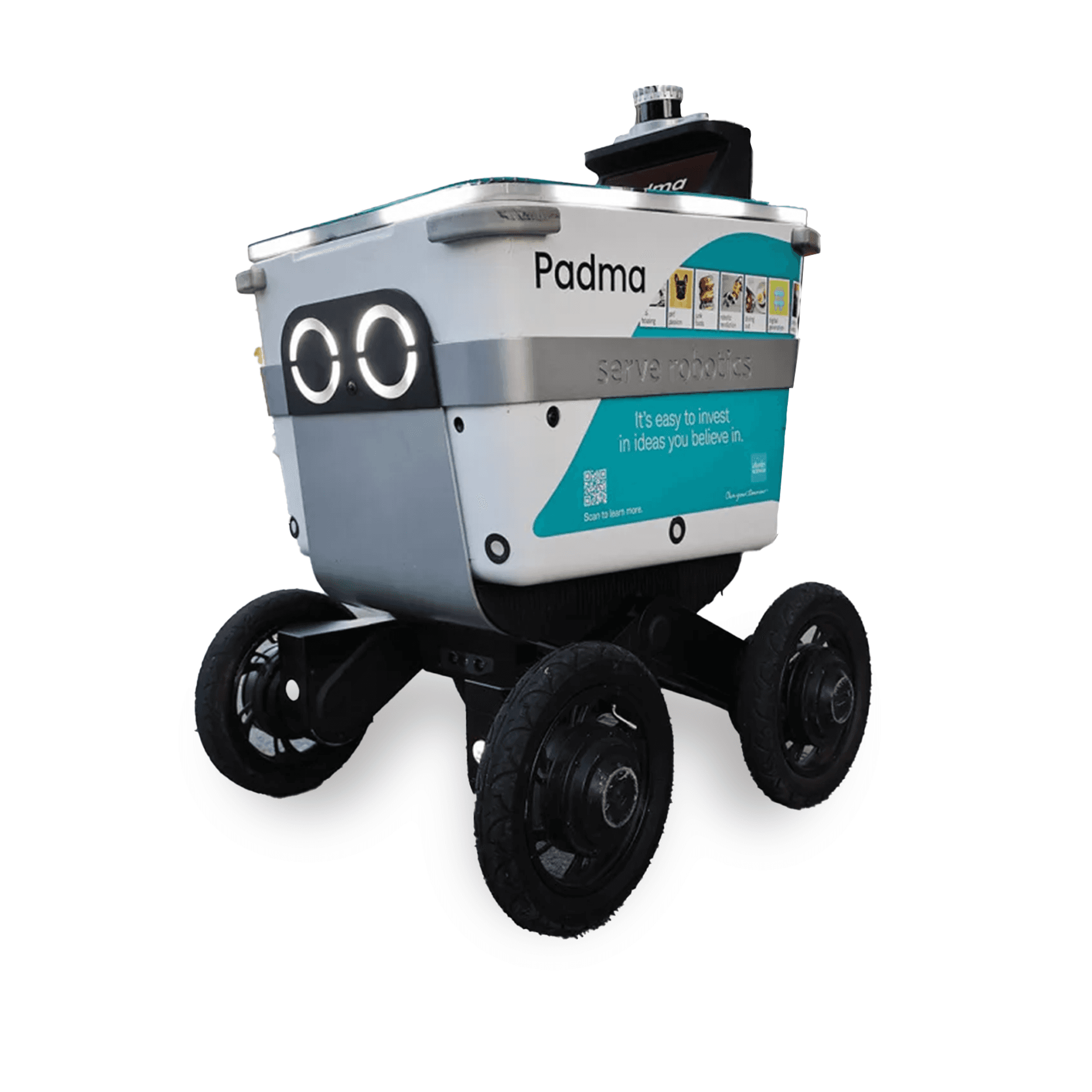
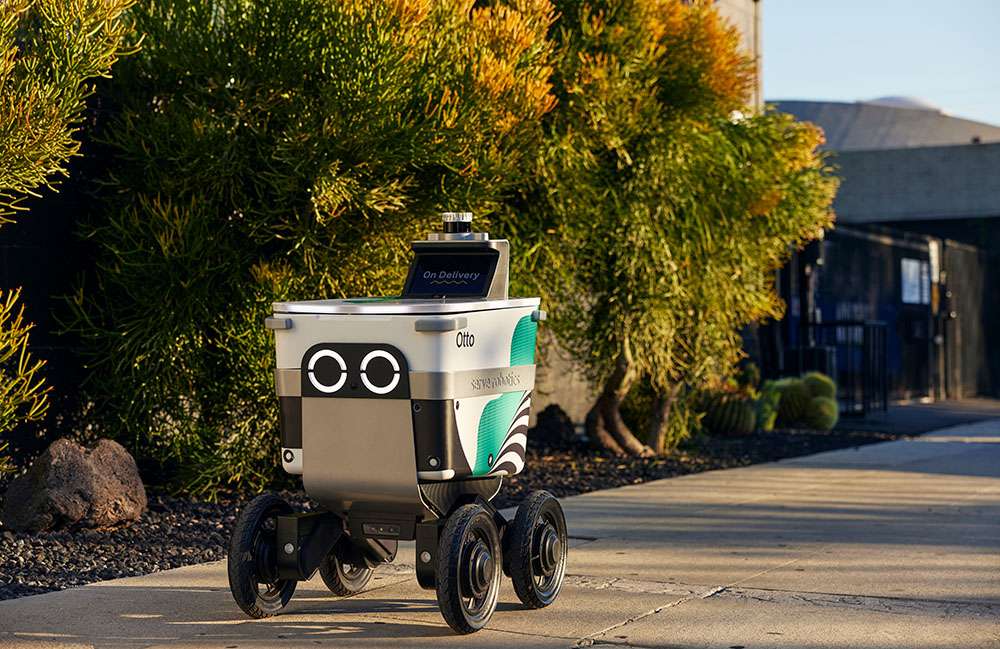
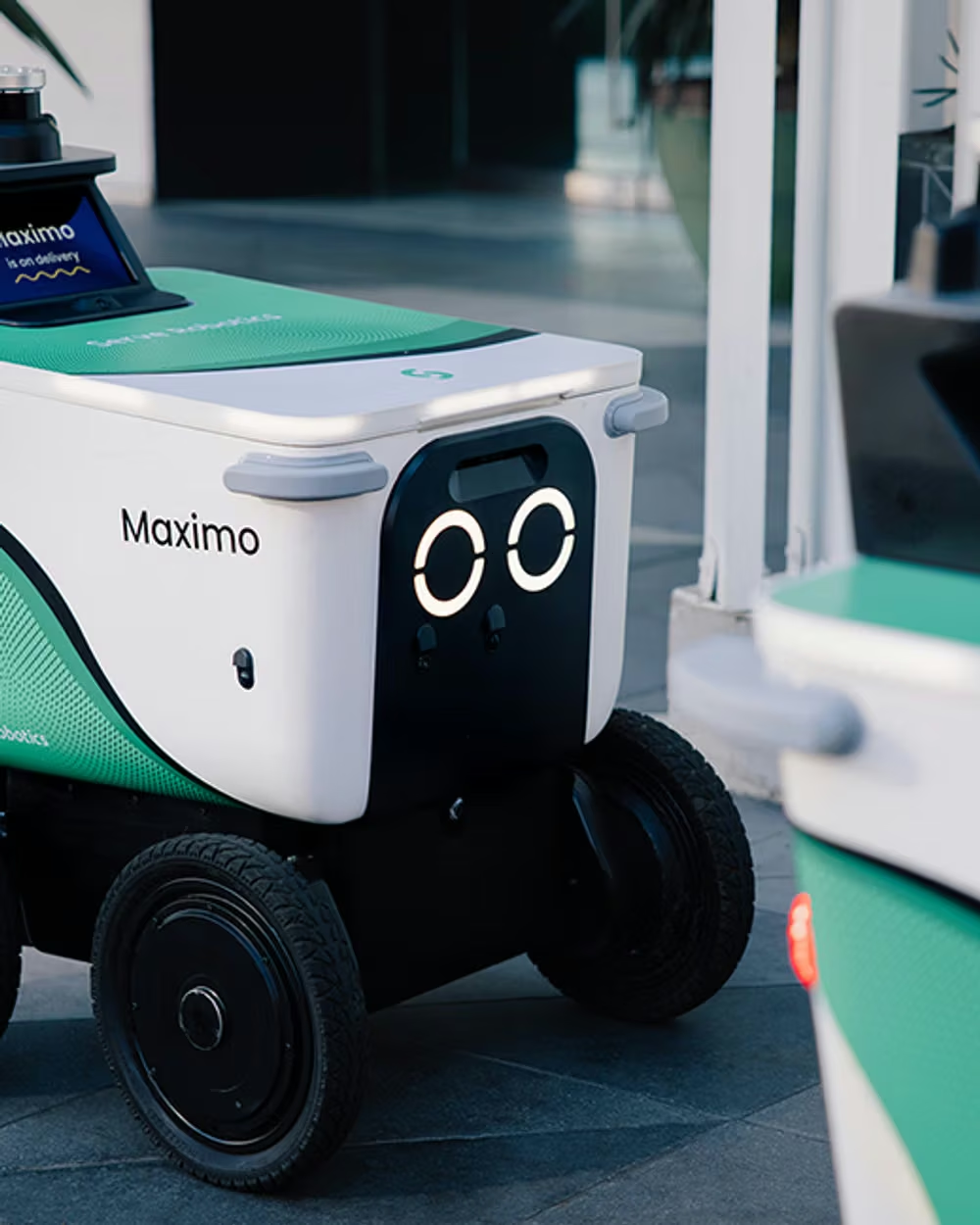
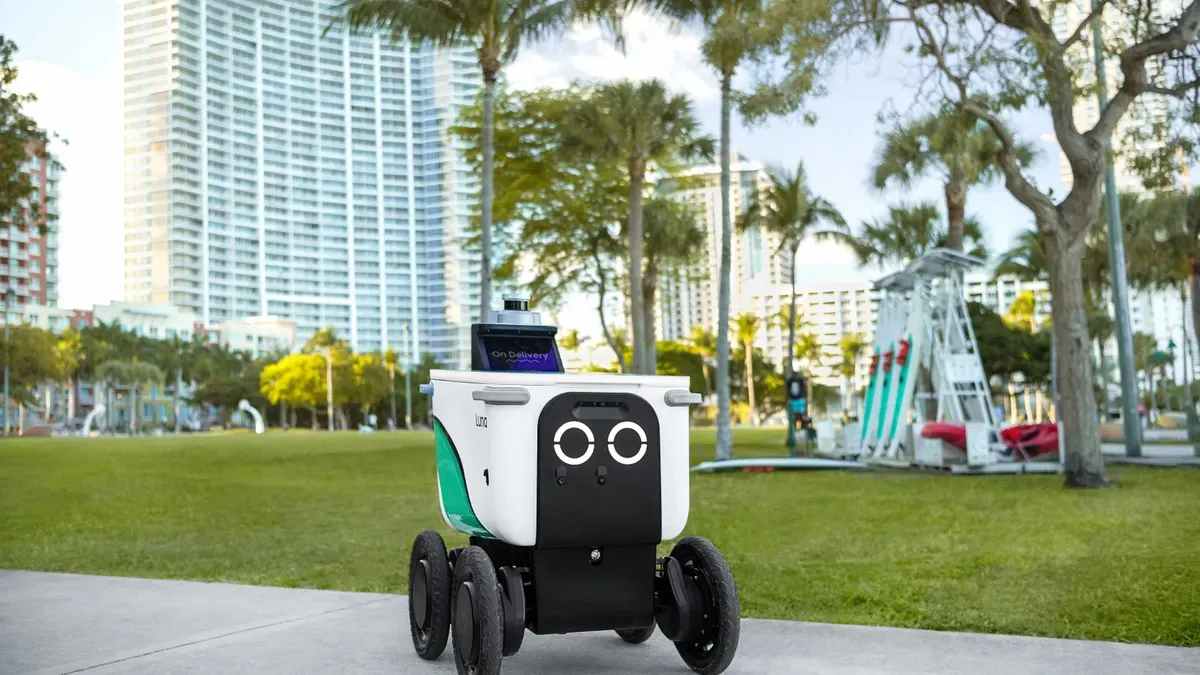
Serve Robotics Gen3 is a Level 4 autonomous sidewalk delivery robot built for commercial food, grocery, retail, and small-package delivery through large operating fleets.

Get quotes in 24–48 hours

Verified suppliers & secure process

Transparent pricing & guidance


Serve Robotics Gen3 is a third-generation autonomous sidewalk delivery robot designed for large-scale commercial last-mile operations.
It combines Level 4-capable autonomy, NVIDIA Jetson Orin computing, LiDAR, cameras, ultrasonic sensing, redundant safety systems, suspension, enhanced braking, and an expanded weather-resistant cargo bin.
Serve reports up to 48 miles of range, 14 hours of operation, an 11 mph top speed, and capacity for four 16-inch pizzas.
Gen3 is primarily a fleet-operated delivery platform for commercial partners rather than a standalone robot intended for individual purchase or small internal deployments.
Designed for autonomy within approved operating domains.
Serve states extended Gen3 operation of up to 14 hours.
Long single-charge range for dense delivery routes.
Carries four large 16-inch pizzas or similar deliveries.
Collision avoidance, redundant sensing, and faster braking.
Designed for heavy rain and -4°F to 113°F.
Autonomous delivery robot
Autonomous last-mile delivery
Outdoor sidewalks
Commercial fleet; platform-integrated
15 gal; no kg rating
No manipulator arm
Autonomous wheeled mobility
15 gal bay; 4× 16-inch pizzas
11 mph (17.7 km/h)
14 h / 48 mi
Electric battery
Level 4 autonomy; remote assist
REV7 LiDAR, cameras and safety sensors
Not publicly specified
Not publicly specified


Miso Robotics Flippy Fry Station

The Serve Robotics Gen3 cost is not published as a normal hardware purchase price. The manufacturer operates the robot through commercial fleets and platform partnerships rather than selling individual units through a retail catalogue.
Enterprise economics depend on service area, delivery volume, fleet size, merchant density, integrations, charging, maintenance and contract structure. Anton Robots can help buyers request an enterprise delivery-robot assessment and compare managed fleets with robots available under purchase, lease or RaaS terms. Build the budget around the complete project, not only the advertised robot.
Confirm hardware, required accessories, software or service fees, freight, taxes, installation, commissioning, training, preventive maintenance, spare parts and support. Ask the supplier to identify one-time and recurring charges and to state what happens if the site, workflow or configuration changes. For a real project, Anton Robots can help structure a fleet or partnership enquiry and compare operational alternatives; this should not be treated as a retail robot purchase.
The Serve Robotics Gen3 is not normally sold as an off-the-shelf robot to individual buyers. It is deployed through enterprise delivery partnerships, fleet agreements and platform integrations. Anton Robots can help an organisation assess availability in its market or compare the operating model with purchasable delivery robots. Define delivery volume, service radius, merchant locations, charging, permissions and platform integration before requesting an assessment.
Before selecting a seller or proposal, provide the destination country, intended workflow, required start date, operating environment and support expectations. Ask for the exact model or service version, current availability, an itemised scope, exclusions, acceptance criteria, warranty responsibility and a named support route.
A product page alone does not confirm that the package is suitable for commercial autonomous sidewalk delivery for food, groceries, retail items and small packages. For commercial autonomous sidewalk delivery for food, groceries, retail items and small packages, keep the supplier’s written assumptions with the final quotation and compare them with the actual site requirements. For a real project, Anton Robots can help structure a fleet or partnership enquiry and compare operational alternatives; this should not be treated as a retail robot purchase.
You will not normally find a standalone Serve Robotics Gen3 for sale through retail robotics distributors. The robot remains within a managed operating fleet. A commercial customer should look for service availability, market coverage and partnership terms rather than a hardware listing. Anton Robots can help compare this model with purchasable or leased last-mile robots.
Before selecting a seller or proposal, provide the destination country, intended workflow, required start date, operating environment and support expectations. Ask for the exact model or service version, current availability, an itemised scope, exclusions, acceptance criteria, warranty responsibility and a named support route.
A product page alone does not confirm that the package is suitable for commercial autonomous sidewalk delivery for food, groceries, retail items and small packages. This protects the buyer from a low headline price that excludes the equipment or services needed to make the system operational. For a real project, Anton Robots can help structure a fleet or partnership enquiry and compare operational alternatives; this should not be treated as a retail robot purchase.
You can request an enterprise proposal related to Serve Robotics Gen3, but it will not normally be a one-unit purchase quote. A useful proposal should define the operating city, delivery area, merchant and platform integration, expected volume, fleet size, charging, maintenance, recovery, service levels and commercial model. Use the request a quote form to describe the intended deployment.
Before selecting a seller or proposal, provide the destination country, intended workflow, required start date, operating environment and support expectations. Ask for the exact model or service version, current availability, an itemised scope, exclusions, acceptance criteria, warranty responsibility and a named support route.
A product page alone does not confirm that the package is suitable for commercial autonomous sidewalk delivery for food, groceries, retail items and small packages. The final decision should be based on a verified use case, total operational cost and accountable after-sales support. For a real project, Anton Robots can help structure a fleet or partnership enquiry and compare operational alternatives; this should not be treated as a retail robot purchase.
A commercial Serve Robotics Gen3 deployment is expected to be delivered as an operating service or fleet partnership, not a boxed robot. The contract may cover:
Confirm which responsibilities remain with the manufacturer, delivery platform, merchants and local operator. Do not assume ownership of the hardware transfers to the customer. Request an itemised bill of materials or statement of work and do not assume that accessories shown in demonstrations are standard.
The supplier should separate included hardware, software, licences, installation, site integration, training, consumables, maintenance and optional equipment. Also confirm who owns each task before delivery, what the acceptance test covers and which costs remain the buyer’s responsibility. For a real project, Anton Robots can help structure a fleet or partnership enquiry and compare operational alternatives; this should not be treated as a retail robot purchase.
Serve reports up to 48 miles of range, 14 hours of operation and about 15 gallons of cargo capacity, enough for four 16-inch pizzas. These are platform figures rather than guaranteed performance on every route. Stops, hills, payload, weather, sidewalk quality, waiting time and remote assistance affect results. Enterprise buyers should model completed deliveries per operating hour and per charge, because distance alone does not determine fleet productivity.
Published specifications are normally measured under defined test conditions and can change with payload, route, speed, software, environment and accessory configuration. Validate the requirement using the complete working system and keep operating margin rather than sizing directly to the headline maximum. Ask for a demonstration or application study using representative loads, routes, tools and duty cycles before approving the purchase.
For commercial autonomous sidewalk delivery for food, groceries, retail items and small packages, keep the supplier’s written assumptions with the final quotation and compare them with the actual site requirements. For a real project, Anton Robots can help structure a fleet or partnership enquiry and compare operational alternatives; this should not be treated as a retail robot purchase.
Serve materials list a top speed of up to 11 mph, but actual operation is governed by local rules, sidewalk conditions and the approved operating domain. The platform includes autonomous collision avoidance, fail-safe mechanical braking and enhanced emergency braking that Serve says stops 40% more quickly than the prior generation. Maximum speed does not mean the robot drives at that speed beside pedestrians.
Buyers should review the safety case and local permissions. Safety must be assessed for the completed application, not just the base robot. Review moving parts, carried objects, tools, traffic, access, emergency stops, loss of communications, cybersecurity and recovery after a fault.
Document operating limits, train authorised users and validate the safeguards under the standards and workplace requirements that apply at the deployment location. This protects the buyer from a low headline price that excludes the equipment or services needed to make the system operational. For a real project, Anton Robots can help structure a fleet or partnership enquiry and compare operational alternatives; this should not be treated as a retail robot purchase.
Gen3 is designed for restaurant food, groceries, retail items and other small local deliveries that fit inside its enclosed cargo bin. Serve highlights capacity for four large pizzas. It is not intended for passengers, oversized freight, hazardous goods or items requiring unverified temperature control. Packaging, merchant loading, customer authentication and failed-delivery procedures must be defined. The best use cases have short trip distances, dense demand and merchants that can load robots efficiently.
Before purchase or deployment, document the intended task, operating environment, required performance, interfaces, implementation owner, support model and acceptance criteria. Ask the supplier to confirm these points against the exact Serve Robotics Gen3 configuration rather than relying on a generic product description.
The final decision should be based on a verified use case, total operational cost and accountable after-sales support. For a real project, Anton Robots can help structure a fleet or partnership enquiry and compare operational alternatives; this should not be treated as a retail robot purchase.
Serve Gen3 is a sidewalk delivery robot for approved urban operating domains. It navigates sidewalks, crossings and local infrastructure under market-specific permissions.
It is not a general road vehicle and cannot be assumed legal or operational in every city. Curbs, construction, inaccessible crossings, steep grades and local regulations can limit routes. Confirm that Serve operates or plans to operate in the target market before designing a programme. Published specifications are normally measured under defined test conditions and can change with payload, route, speed, software, environment and accessory configuration.
Validate the requirement using the complete working system and keep operating margin rather than sizing directly to the headline maximum. Ask for a demonstration or application study using representative loads, routes, tools and duty cycles before approving the purchase. For a real project, Anton Robots can help structure a fleet or partnership enquiry and compare operational alternatives; this should not be treated as a retail robot purchase.
Serve describes Gen3 as weatherproof from -4°F to 113°F and capable of operating in heavy rain. Service may still be restricted during flooding, snow, ice, extreme wind or blocked sidewalks. Weather resistance also does not guarantee delivered items remain at a required temperature. Operators need procedures for severe weather, customer communication, route inspection and recovery.
Ask for climate-specific exclusions in the commercial agreement. Published specifications are normally measured under defined test conditions and can change with payload, route, speed, software, environment and accessory configuration. Validate the requirement using the complete working system and keep operating margin rather than sizing directly to the headline maximum. Ask for a demonstration or application study using representative loads, routes, tools and duty cycles before approving the purchase.
For commercial autonomous sidewalk delivery for food, groceries, retail items and small packages, keep the supplier’s written assumptions with the final quotation and compare them with the actual site requirements. For a real project, Anton Robots can help structure a fleet or partnership enquiry and compare operational alternatives; this should not be treated as a retail robot purchase.
Serve operates a Level 4-capable fleet within defined operating domains. The robot uses LiDAR, cameras, ultrasonic sensors, AI and redundant onboard safety systems, while trained remote supervisors can assist in defined situations.
Level 4 does not mean unrestricted operation anywhere. Autonomy is limited to mapped, approved environments and rules. Enterprise buyers should understand intervention rates, connectivity, fallback behaviour and how autonomous performance is measured. Confirm software access for the exact commercial package before ordering. Ask which APIs, SDKs, licences, cloud services, fleet tools and developer features are included, which require approval or recurring fees, and who supports integrations after commissioning.
Cybersecurity, user permissions, data ownership, update policy and compatibility with the buyer’s existing systems should be agreed in writing. This protects the buyer from a low headline price that excludes the equipment or services needed to make the system operational. For a real project, Anton Robots can help structure a fleet or partnership enquiry and compare operational alternatives; this should not be treated as a retail robot purchase.
Charging, staging, inspection, cleaning, maintenance and field recovery are part of the fleet operating model. Responsibility may sit with Serve, a local operator or another partner. Ask where robots are stored, how shifts are scheduled, who responds to immobilised units and what spare capacity covers maintenance. A 14-hour runtime still requires a reliable depot, charging plan and field-operations team. Include those costs in the economics per completed delivery.
Before purchase or deployment, document the intended task, operating environment, required performance, interfaces, implementation owner, support model and acceptance criteria. Ask the supplier to confirm these points against the exact Serve Robotics Gen3 configuration rather than relying on a generic product description.
The final decision should be based on a verified use case, total operational cost and accountable after-sales support. For a real project, Anton Robots can help structure a fleet or partnership enquiry and compare operational alternatives; this should not be treated as a retail robot purchase.
Serve has expanded across multiple U.S. cities through delivery-platform partnerships, but availability is market-specific and changes as the fleet grows. A robot cannot simply be purchased and activated in a new city without route validation, local operations, permissions, merchant density and platform integration.
International availability should not be assumed. Consumers access the service through participating delivery apps; enterprise buyers should request current market coverage.
Before purchase or deployment, document the intended task, operating environment, required performance, interfaces, implementation owner, support model and acceptance criteria. Ask the supplier to confirm these points against the exact Serve Robotics Gen3 configuration rather than relying on a generic product description. For a real project, Anton Robots can help structure a fleet or partnership enquiry and compare operational alternatives; this should not be treated as a retail robot purchase.
The operating model integrates robots with delivery platforms, merchants, order dispatch and customer handoff. A launch must coordinate robot assignment, merchant loading, route execution, customer notification, compartment access and failed deliveries. Merchant waiting time reduces utilisation, so onboarding and workflow design matter. The proposal should specify API integration, staff training, performance reporting and customer-support responsibilities.
Before purchase or deployment, document the intended task, operating environment, required performance, interfaces, implementation owner, support model and acceptance criteria. Ask the supplier to confirm these points against the exact Serve Robotics Gen3 configuration rather than relying on a generic product description.
For commercial autonomous sidewalk delivery for food, groceries, retail items and small packages, keep the supplier’s written assumptions with the final quotation and compare them with the actual site requirements. For a real project, Anton Robots can help structure a fleet or partnership enquiry and compare operational alternatives; this should not be treated as a retail robot purchase.
Serve Gen3 is not marketed as a standard robot an individual can buy and operate independently. Serve combines hardware, autonomy software, remote operations, fleet management and platform partnerships. Independent ownership would still require mapping, maintenance, insurance, permissions, platform integration and field support. Businesses that want to own robots should compare other sidewalk platforms with purchase or lease channels.
Anton Robots can help identify the appropriate commercial model. Published specifications are normally measured under defined test conditions and can change with payload, route, speed, software, environment and accessory configuration. Validate the requirement using the complete working system and keep operating margin rather than sizing directly to the headline maximum. Ask for a demonstration or application study using representative loads, routes, tools and duty cycles before approving the purchase.
This protects the buyer from a low headline price that excludes the equipment or services needed to make the system operational. For a real project, Anton Robots can help structure a fleet or partnership enquiry and compare operational alternatives; this should not be treated as a retail robot purchase.
Gen3 can be attractive where there is dense short-distance demand, suitable sidewalks, strong merchant participation and enough deliveries to keep a fleet utilised. Value depends on cost per completed delivery, availability, customer acceptance, intervention and field operations—not only specifications.
It is less suitable for sparse areas, stairs, inaccessible routes or markets without regulatory support. Pilot a defined zone and compare completion rate, time, utilisation and total cost. Choose by matching the actual requirement rather than selecting the best-known model. Compare payload or capacity, reach or route, environment, autonomy, integration, support, total cost and the evidence that the solution can achieve the required workflow.
A short site trial or application review is usually more valuable than comparing headline specifications in isolation. The final decision should be based on a verified use case, total operational cost and accountable after-sales support. For a real project, Anton Robots can help structure a fleet or partnership enquiry and compare operational alternatives; this should not be treated as a retail robot purchase.
Tell us what you need. Our experts will help you find the right robot for your business.
Browse Robots
Humanoid Robots
Robot Dogs
Robotic Arms
Cobots
AMR Robots
AGV Robots
Service Robots
Companion Robots

