Find, compare and buy robots from top manufacturers
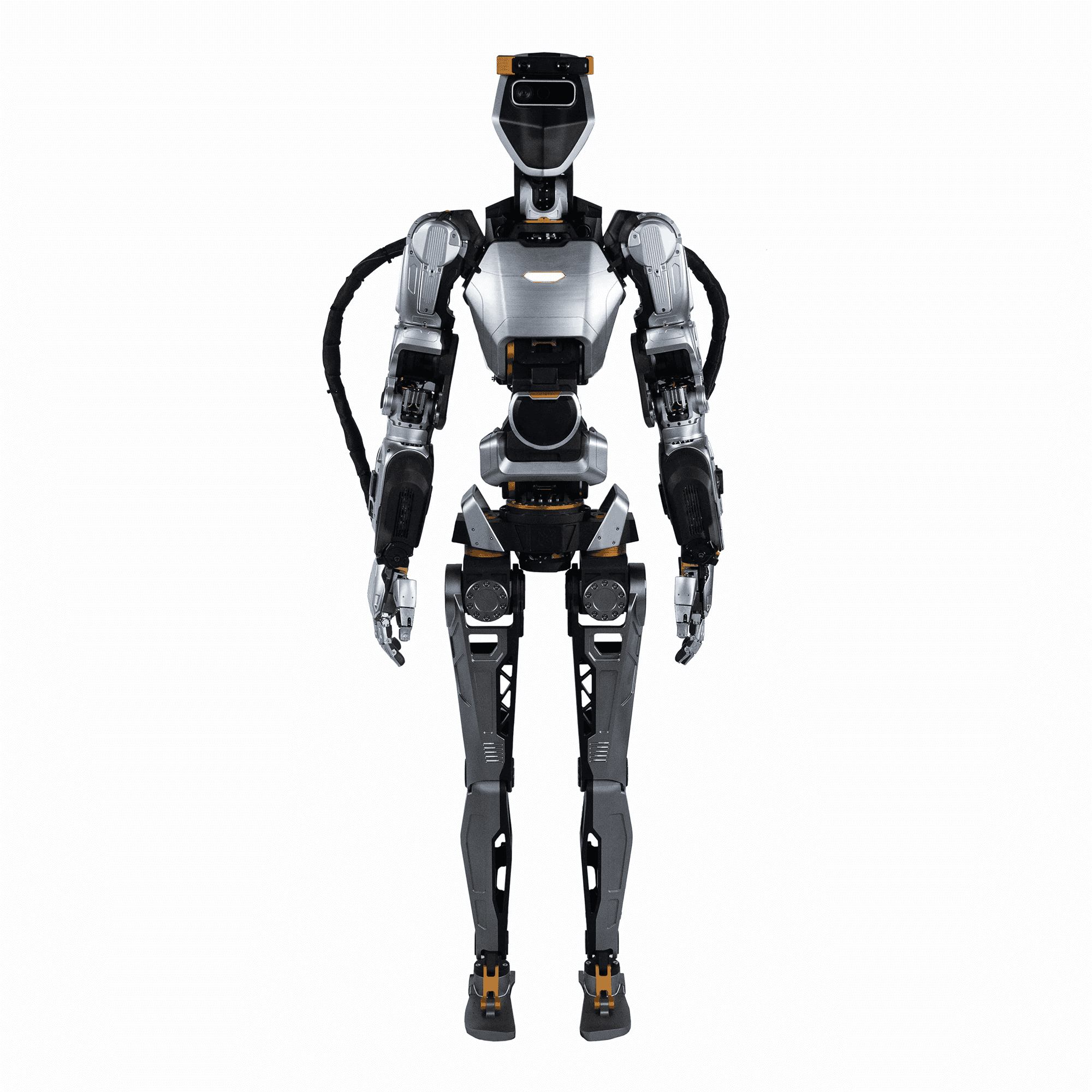
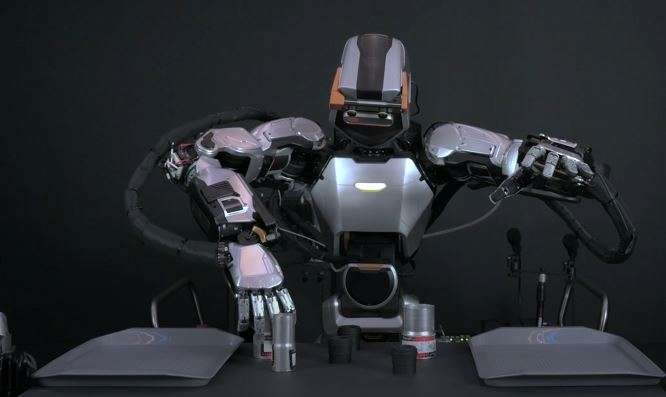
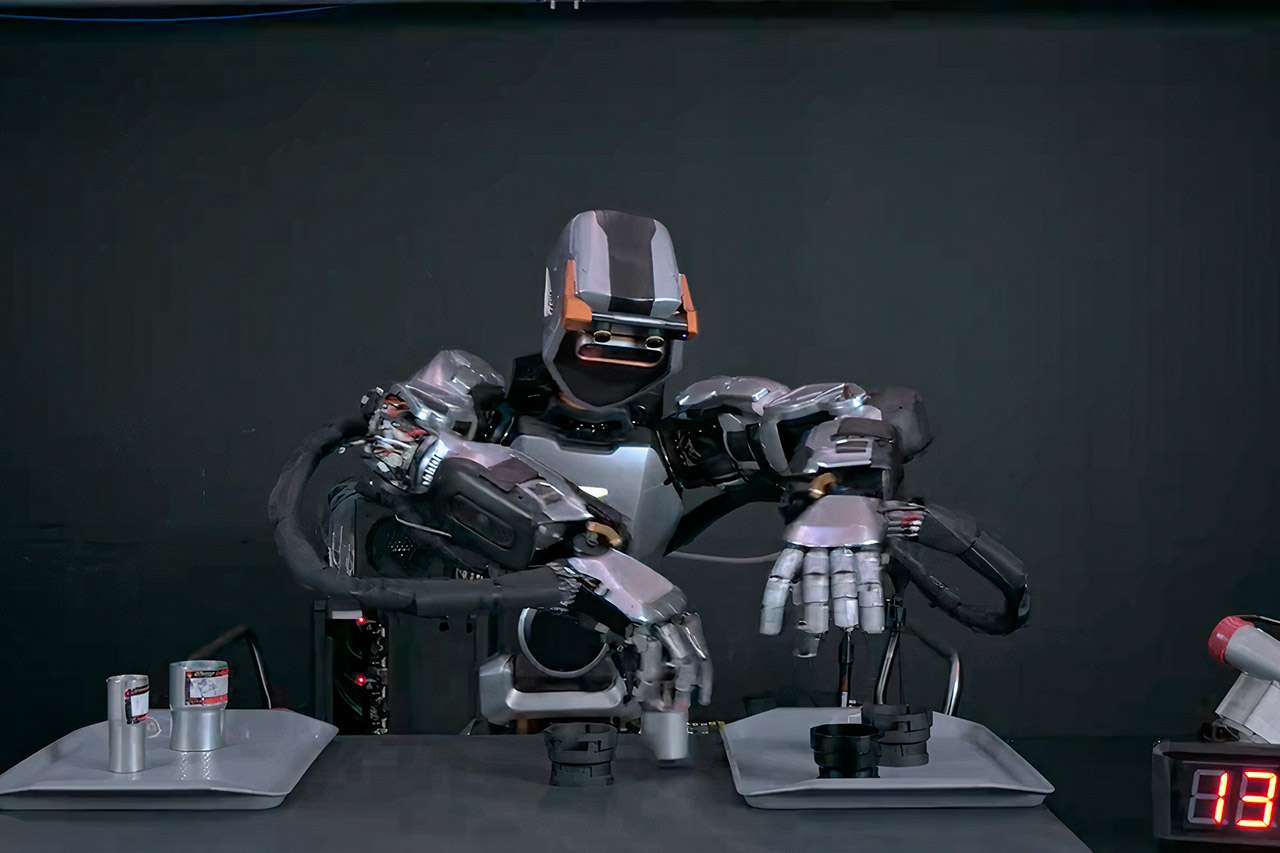
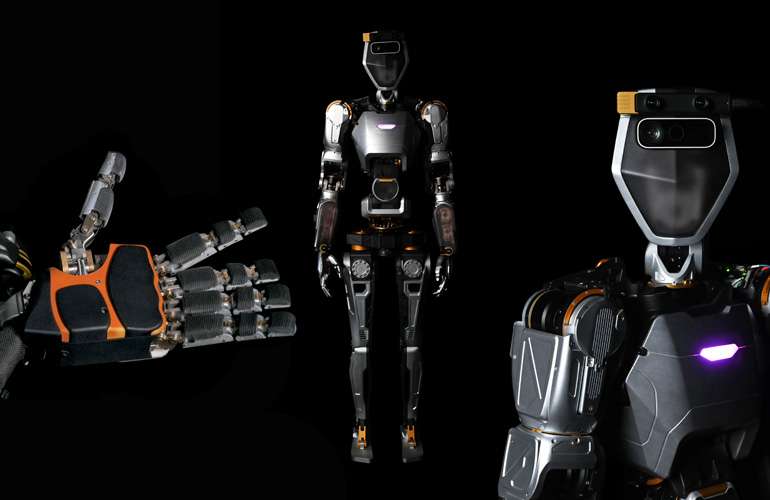
Sanctuary AI Phoenix is a general-purpose humanoid robot platform developed for dexterous manipulation, embodied AI, industrial task learning, teleoperation, high-quality data capture, and future human-like work automation.

Get quotes in 24–48 hours

Verified suppliers & secure process

Transparent pricing & guidance


Sanctuary AI Phoenix is a general-purpose humanoid robot platform developed to train and deploy Physical AI for dexterous industrial and service work.
Earlier published Phoenix specifications included a 5 ft 7 in human-like form, 155 lb weight, 55 lb maximum payload, 3 mph speed, highly dexterous 20-degree-of-freedom hands, tactile sensing, and the Carbon AI control system. Newer Generation 8 robots use a wheeled base and are optimized for high-quality data capture and manufacturability.
Phoenix is best suited for Sanctuary AI research, data collection, customer technology programs, and organizations exploring advanced dexterous automation.
It is not currently sold as a standard off-the-shelf humanoid product.
Sanctuary’s Physical AI system learns and executes real-world work tasks.
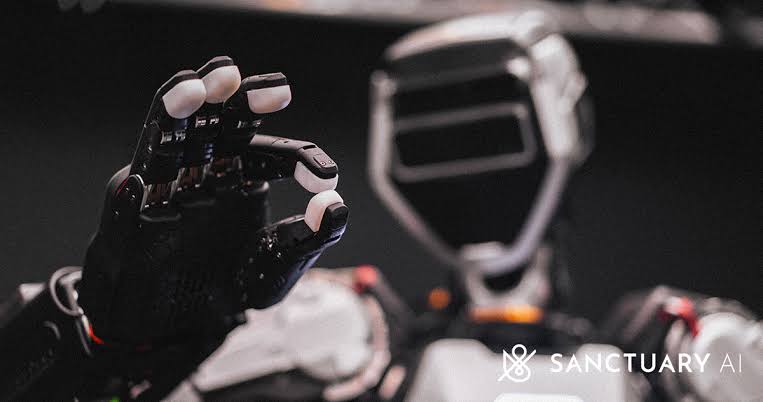
Human-like robotic hands provide 20 degrees of freedom and tactile capability.
Generation 8 improves cameras, telemetry, sensing, and person-robot interaction.
Newer Phoenix generations use a stable wheeled base informed by customer feedback.
Designed around human tools, objects, workstations, and physical task learning.
Used for research, customer technology work, and industrial automation development.
General-purpose humanoid robot
Behavioral data capture and R&D
R&D labs and industrial settings
Gen 8 R&D platform; not for sale
Gen 8 not published; Gen 6: 25 kg
Not publicly specified
Wheeled mobile base on Generation 8
21-DoF hydraulic dexterous hands with tactile sensing
Gen 8 not published; Gen 6: 1.34 m/s
Not publicly specified
Electric; battery specs not public
Carbon AI; autonomy, teleop and HITL
Depth and vision cameras, force and tactile sensing, and audio-video telemetry
Gen 8 not published; Gen 6: 1.70 m
Gen 8 not published; Gen 6: ~70 kg


The Sanctuary AI Phoenix price is not publicly listed because Sanctuary AI Phoenix is not offered as a standard off-the-shelf retail product. Commercial access is discussed through enterprise inquiries, pilots, development programs or broader automation projects. The final Sanctuary AI Phoenix cost can change depending on the exact robot version, controller or operator equipment, software, cables, tools, accessories, freight, import duties, installation, commissioning, training, warranty and ongoing support. Sanctuary’s current commercial approach emphasizes Physical AI deployments and enterprise automation programs, while humanoid embodiments and robotic hands remain part of its development roadmap.
This is why buyers should avoid comparing only a headline price. One offer may cover the core hardware, while another may include the equipment and services required to use it in a real workflow. For professional buyers, the better question is: what is included, what is excluded, and who supports the system after delivery?
You can request a Sanctuary AI Phoenix quote or availability review through Anton Robots to compare the complete package, commercial status and support options before making a decision.
You cannot currently buy the Sanctuary AI Phoenix as a normal off-the-shelf catalogue product. You can, however, request a commercial introduction or availability review through Anton Robots for humanoid pilots, Physical AI projects and comparable robots. The product may also be available directly from Sanctuary AI, authorized distributors, integrators, rental partners or specialist robotics sellers, depending on the market. Not every offer is equivalent. Some sellers provide hardware only, while others include control equipment, software, tools, cables, training, commissioning, warranty handling and local technical support.
Before buying, confirm the exact model, configuration, condition, package contents, delivery terms and support responsibilities. Do not treat Phoenix videos or earlier commercial-deployment announcements as evidence that a standard Phoenix unit can be ordered. Confirm the current hardware, scope, ownership, support and deployment model directly. Professional buyers should compare total usable value rather than only the lowest advertised amount.
To begin, request a Sanctuary AI Phoenix quote or supplier review and Anton Robots can help compare package, shipping, deployment and support.
You can look for the Sanctuary AI Phoenix for sale through Anton Robots, Sanctuary AI, authorized channels and specialist robot suppliers. Phoenix units are used for Sanctuary AI development, data collection and selected commercial technology programs rather than listed as ordinary retail inventory. Finding a listing is only the first step.
Buyers should confirm the exact model, serial or part number, hardware revision, included controller or operator station, software rights, accessories, cables, documentation, warranty, spare-parts route and delivery condition. A low price can become expensive if essential components, integration work or support are missing. This is especially important when the system will be used for production, filming, underwater work, public interaction, industrial pilots or regulated facilities. The safest comparison is the total delivered and usable package, not an arm-only, robot-only or pilot-only headline.
If you are looking for a Sanctuary AI Phoenix for sale and want help checking the offer, contact Anton Robots before ordering or signing a deployment agreement.
Yes. You can get a quote or commercial availability review for the Sanctuary AI Phoenix through Anton Robots. A useful quote should include more than the base robot name. It should identify the exact model or generation, hardware configuration, controller, software, cables, tools or end effectors, mounting equipment, operator devices, freight assumptions, warranty, commissioning, training and support. A commercial inquiry should define the industrial task, available hardware, end effectors, data collection, AI policy development, success rate, cycle time, pilot duration, safety and production rollout.
This matters because two proposals can look similar while covering very different deliverables. A lower quote may exclude the equipment or engineering needed to perform the real task, while a higher proposal may include a complete operational system. Buyers should also confirm whether the offer is for a new robot, remaining stock, a used unit, a rental, a pilot program or an enterprise deployment.
Anton Robots can help compare the Sanctuary AI Phoenix with other robot options and prepare an inquiry based on the application, location and project requirements.
A typical Sanctuary AI Phoenix package may include the core robot, control hardware, connection cables, software access and basic documentation, but the exact contents vary by seller, region, configuration and commercial program. Sanctuary AI may deploy Physical AI on commercially available industrial robots rather than supply a Phoenix humanoid, depending on the task and current product strategy.
Before buying or approving a deployment, ask for a written bill of materials and responsibility matrix. Confirm whether the proposal includes:
This matters because two offers can both use the name “Sanctuary AI Phoenix” while representing different operational packages. Tools, cameras, grippers, tethers, controllers, computers, mounts, safety systems, installation and support may be bundled, optional or supplied by an integrator.
For business buyers, the full working system is more important than the headline hardware price. You can request an itemised Sanctuary AI Phoenix package quote through Anton Robots before buying.
The Sanctuary AI Phoenix can be supplied internationally in some markets, but shipping and deployment depend on the manufacturer, authorized channel, destination country, export controls, battery or freight rules, dimensions, power requirements, customs procedures and local support coverage. Any Phoenix or humanoid embodiment would require enterprise freight, commissioning, safety engineering and controlled support; standard international retail shipping is not offered. The base product price is not always the final landed or operational cost.
International buyers may also need to pay freight, insurance, customs clearance, import duties, VAT, GST, local delivery, site handling and installation. Before ordering, confirm who acts as importer of record, who is responsible for customs costs, what delivery equipment is required and who provides support after arrival. Large industrial, cinema and humanoid systems may require specialist transport, while underwater robots and controllers may be affected by lithium-battery shipping rules.
You can request an international Sanctuary AI Phoenix quote through Anton Robots so shipping, package and support assumptions can be reviewed before purchase.
Sanctuary AI Phoenix availability and lead time can change according to the model generation, production schedule, distributor stock, configuration, destination, integration work and current demand. Sanctuary unveiled Phoenix Generation 8 for data capture, but its current 2026 commercial messaging focuses on deploying Physical AI on existing and future industrial hardware, with humanoid embodiments still available as an inquiry category rather than a retail product.
Do not assume immediate delivery because a product page or reseller listing exists. Ask whether the unit is new, built to order, available from stock, part of a pilot program, offered only as an add-on, available for rental, or supplied as used or refurbished equipment. Lead time may also be affected by controller availability, software licences, tooling, camera or tether options, safety equipment, freight, customs clearance and commissioning.
If the robot is needed for a production launch, filming date, inspection campaign, trade show or research milestone, obtain written confirmation of the configuration and delivery schedule. You can request current Sanctuary AI Phoenix availability through Anton Robots before committing to the project.
Before buying or deploying the Sanctuary AI Phoenix, check the warranty period, covered components, exclusions, service territory, repair process, spare-parts availability, software support and response times. A project should define responsibility for hardware maintenance, AI updates, data security, teleoperation, end effectors, performance monitoring, safety validation and on-site intervention. Robots often require more support than ordinary electronic products.
Buyers may need help with setup, calibration, controllers, software, batteries, cables, motors, cameras, end effectors, safety systems, firmware, maintenance and recovery after faults. The cheapest listing is not always the safest option if support is remote, undocumented or unavailable in the destination country. Ask who diagnoses faults, who supplies parts, whether on-site service is available, whether warranty transfers with used equipment and what happens if the robot arrives damaged or incomplete. For enterprise, education and production buyers, service capability should be part of the purchasing decision.
You can contact Anton Robots to review the warranty and support package before buying.
The Sanctuary AI Phoenix is worth considering when its capabilities match the real workflow, environment, budget and support requirements. Phoenix represents important technology in dexterous hands, tactile sensing, embodied data and general-purpose robot learning, and may be valuable to strategic industrial partners. Its value comes from solving a specific problem more consistently, safely or creatively than a simpler tool or manual process.
However, it is not automatically the right purchase for every buyer. It is not a normal product purchase, current hardware and commercial scope may differ from earlier published Phoenix generations, and buyers needing near-term productivity may receive a different industrial robot configuration. The correct decision should be based on task validation, total deployment cost, operator skills, infrastructure, service coverage and measurable project outcomes. For experimental or limited-availability platforms, buyers should also distinguish a research or pilot opportunity from a mature production product.
Compare the Sanctuary AI Phoenix with other robots, alternative automation methods and rental or integration options before committing. Anton Robots can help determine whether the platform is a strong fit or whether another robot would reduce risk and cost.
Phoenix is not currently presented as a standard retail humanoid that a buyer can configure, price and order online. Sanctuary AI accepts commercial inquiries for industrial automation, Physical AI, robotic hands and humanoid embodiment, but the actual proposal may involve a pilot, development program or Sanctuary software deployed on other industrial hardware.
This distinction is important because earlier Phoenix generations were commercially deployed for task trials, while Sanctuary’s 2026 strategy emphasizes production-ready Physical AI across existing and future robotic systems. Anton Robots can help buyers submit a qualified inquiry and compare other humanoids that have clearer hardware sales programs. Ask Sanctuary to identify the exact embodiment, generation, availability, ownership model, deployment schedule and support before treating Phoenix as a purchasable product.
Before choosing, ask for a written comparison covering current availability, exact hardware revision, support lifecycle, software access, delivery model and the measurable reason this option is better for the intended workflow.
Sanctuary AI announced Phoenix Generation 8 as its newer humanoid robot generation, following Generation 7 less than eight months earlier. Generation 8 was optimized for high-quality data capture, with improved field of view, cameras, telemetry, sensing, audio-video systems, person-robot interaction, lower bill-of-material cost and faster manufacturing and commissioning. It also uses a wheeled base.
However, “current generation” does not necessarily mean a standard commercial SKU. Sanctuary’s present commercial website focuses on Physical AI deployments and a multi-embodiment roadmap. Buyers should ask whether a proposed project uses a Generation 8 Phoenix, another robotic platform or a future humanoid embodiment.
Do not combine specifications from Generations 6, 7 and 8 as if they describe one fixed product. Use the signed configuration sheet and application study as the purchasing reference, because payload, runtime, speed, reach and performance can change with tooling, environment, software version and operating conditions.
Sanctuary AI states that Phoenix Generation 8 uses a wheeled base based on customer feedback that bipedal legs can be too fragile to support a strong torso for useful, precise and safe work. Wheels provide stability, reduce fall risk, simplify energy use and can improve uptime on flat industrial floors.
This design still allows a human-like upper body and dexterous hands to operate tools and objects in workspaces designed for people. The trade-off is reduced ability to climb stairs, cross rough terrain or navigate environments where wheels cannot pass.
For many factories and warehouses, stable manipulation may create more value than bipedal walking. Buyers should choose the mobility system based on the real site rather than assuming legs are always more general-purpose. A representative test with real products, targets and environmental conditions should be completed before purchase, with agreed success rate, cycle time, image quality or task acceptance criteria documented in writing.
When Sanctuary unveiled the sixth-generation Phoenix, it published a human-like height of approximately 5 ft 7 in, weight of 155 lb, maximum payload of 55 lb and maximum speed of 3 mph. It also highlighted hands with 20 degrees of freedom and proprietary haptic technology.
Later generations changed hardware, including the move to a wheeled base and improvements in cameras, telemetry, range of motion and manufacturability. Therefore, these earlier figures should be treated as historical generation-specific information, not guaranteed Generation 8 procurement specifications. A commercial inquiry should request the exact height, weight, payload, mobility, runtime, hand configuration and safety limits of the embodiment being proposed.
Do not use the 55 lb figure to design a task until Sanctuary confirms the current system and load conditions. The application proposal should identify required sensors, fixtures, operator actions, exceptions and recovery procedures so the buyer understands what the robot performs independently and what still depends on people or integration.
Sanctuary says its general-purpose robot technology has completed hundreds of tasks identified by customers across multiple industries. Phoenix and Carbon are designed around dexterous work with human tools and objects, including manipulation tasks that benefit from hands, vision, touch and task learning. Examples shown by the company include sorting, packing, handling and other structured work.
Capability is not the same as unrestricted autonomy. Each task needs training, demonstrations, data, success criteria, fixtures and exception handling. Sanctuary’s recent commercial work also shows its Physical AI applied to challenging industrial tasks on non-humanoid hardware, including wire-harness insertion at production speed.
A buyer should define one high-value task and ask which embodiment delivers the required success rate and cycle time. Phoenix may be the research platform, while another robot may be the commercial solution. Ask the supplier to document supported interfaces, licences, version compatibility, cybersecurity responsibilities, backups and update policy, because control access and integration scope can materially change the value of the system.
Carbon is Sanctuary AI’s control and Physical AI system for learning and executing real-world tasks. It combines perception, reasoning, movement and manipulation, and can learn from human demonstrations and high-quality robot data. Teleoperation and data capture have played an important role in training Phoenix behaviours, while Sanctuary also develops autonomous task policies.
Buyers should ask how much of a proposed task is autonomous, teleoperated, supervised or recovered by a human. Define data ownership, privacy, cybersecurity, model updates, performance monitoring and what happens when the system encounters an unfamiliar condition. The robot hardware is only the embodiment; Carbon and the task-development process determine whether the system can deliver reliable work.
A commercial proposal should include measurable success rate and cycle time, not only an AI capability description. Safety must be assessed for the complete application, including the robot, payload, tools, cables, surrounding equipment, people and recovery procedures, under the workplace and machinery requirements that apply at the deployment site.
Phoenix is attractive for organizations interested in Sanctuary AI’s dexterous hands, tactile sensing, embodied-data strategy and Physical AI. Another humanoid may be a better choice when the priority is a clear purchase price, standard hardware, SDK access, bipedal mobility, established distribution or a defined delivery schedule.
Buyers should compare Phoenix with UBTECH Walker, Unitree G1 or H2, Agility Digit, Apptronik Apollo and other platforms according to commercial status, mobility, hands, payload, runtime, software access, support and validated tasks. Also compare humanoids with conventional robot arms, AMRs and custom automation.
Sanctuary’s current strategy may solve the task using existing industrial hardware rather than Phoenix. The best choice is the system that meets production outcomes with the least deployment risk, not necessarily the robot with the most human-like appearance. Request an itemised deployment proposal with owners, exclusions, commissioning, acceptance testing, training, spare parts and ongoing support, rather than comparing a robot-only price that does not represent a working system.
Tell us what you need. Our experts will help you find the right robot for your business.
Browse Robots
Humanoid Robots
Robot Dogs
Robotic Arms
Cobots
AMR Robots
AGV Robots
Service Robots
Companion Robots

