Find, compare and buy robots from top manufacturers

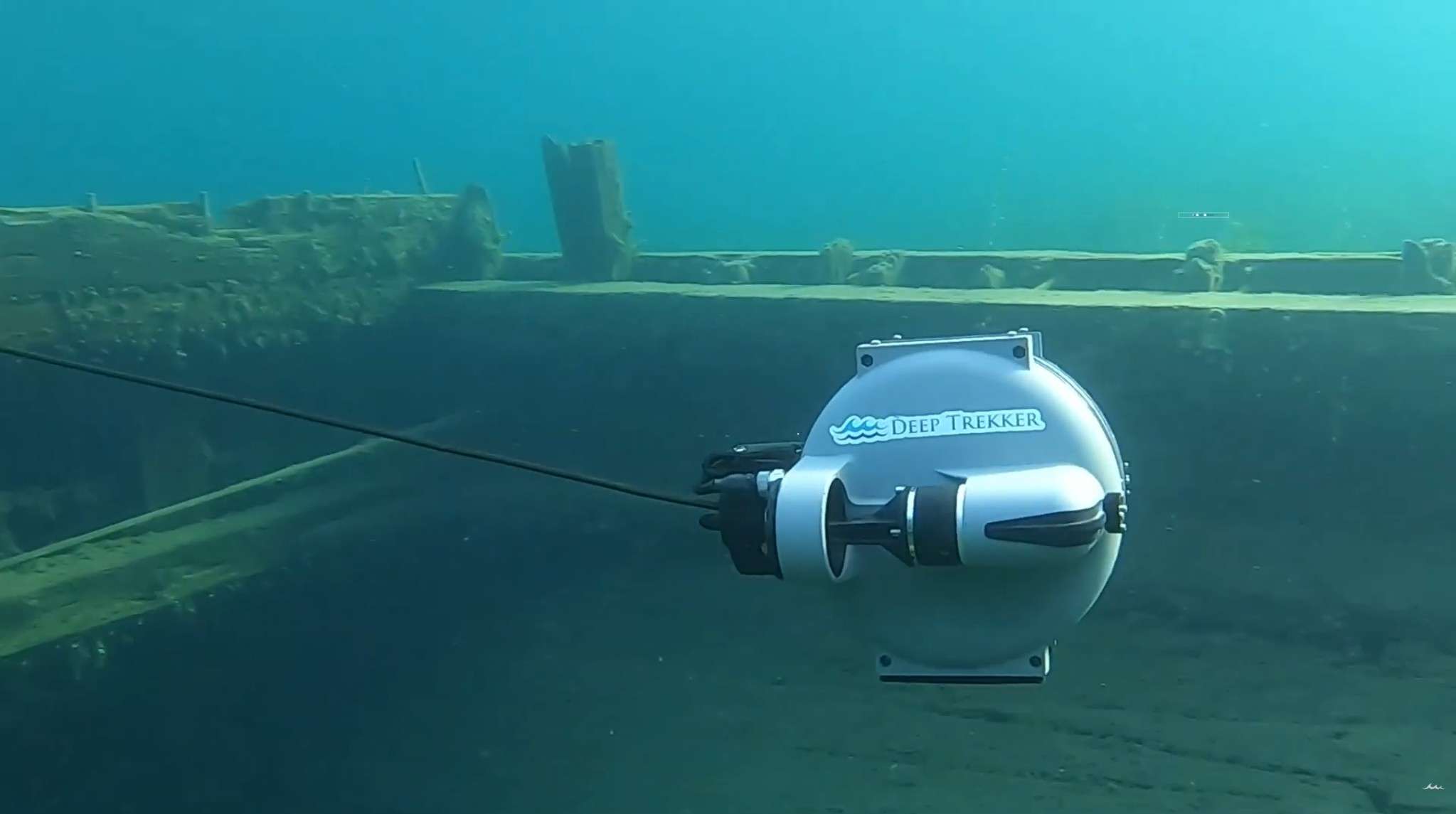
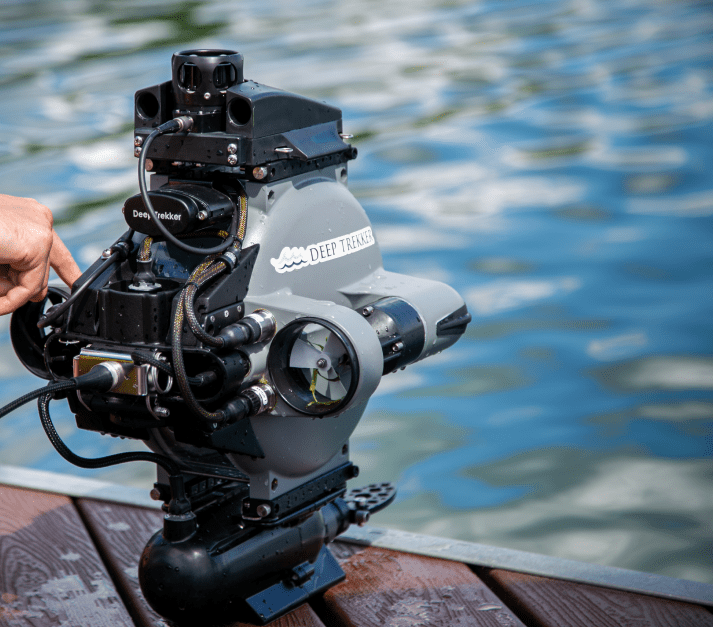
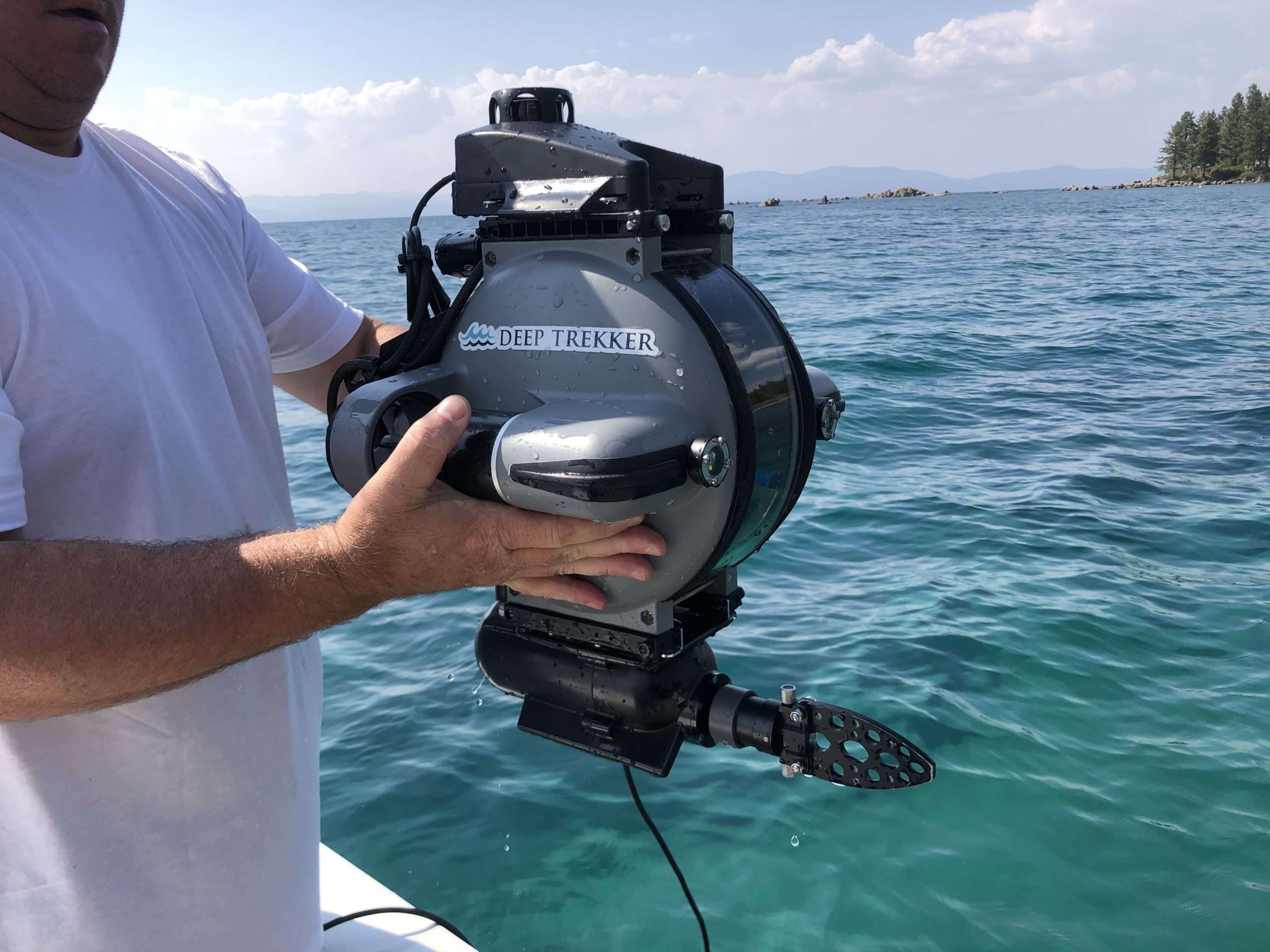
The Deep Trekker DTG3 is a compact observation-class underwater ROV built for rapid visual inspection, aquaculture, infrastructure checks, search work, and marine operations to 200 metres.

Get quotes in 24–48 hours

Verified suppliers & secure process

Transparent pricing & guidance


The Deep Trekker DTG3 is a compact observation-class underwater ROV designed for rapid visual inspection, aquaculture, submerged infrastructure checks, marine research and search support.
It combines an 8.5 kg portable body, 200 m depth rating, enhanced 4K camera, 270-degree viewing range, 8 MP still images, dimmable lighting, sealed thrusters and Deep Trekker BRIDGE control technology.
The DTG3 is best suited to teams that need a quickly deployed visual-inspection platform and optional grabbers, sonar, laser scaling or extra lighting without moving to a larger work-class ROV.
Its portable size, 200 m rating, wide-view 4K imaging, and modular inspection accessories make the DTG3 a strong fit for rapid visual missions where observation and light intervention matter more than heavy subsea work.
Designed for underwater inspection and observation missions down to 200 metres.
Portable form allows rapid transport, launch, recovery, and field deployment.
Internal pivoting camera expands viewing angles without repositioning the whole ROV.
Records detailed inspection video with 8 MP still images and integrated lighting.
Deep Trekker control platform supports intuitive operation, recording, and integration.
Can be equipped with grabbers, sonar, lighting, laser scaling, and other mission tools.
Underwater inspection robot
Underwater inspection and data capture
Underwater; -10–50 °C
Commercial inspection ROV
No rated payload; optional grabber/tools
200 m depth; tether up to 700 m
Tethered; multidirectional propulsion
Optional grabber and inspection tools
Not publicly specified
Up to 8 h
19.2 V battery; trickle charging
BRIDGE controller and remote piloting
4K camera, depth/heading; optional sonar/DVL
325 × 258 × 279 mm
8.5 kg


Dusty Robotics FieldPrinter 2
Deep Trekker does not publish one fixed global DTG3 price. The system is configured and quoted according to package, tether, controller, camera, lighting, grabber, sonar, sensors, training, freight and regional support. The final Deep Trekker DTG3 cost should be compared as a complete usable package rather than as a headline hardware number. Freight, taxes, duties, accessories, software, training, installation, support and regional service can materially change the amount a buyer pays.
Two quotations may describe the same model but include different controllers, accessories, warranties, commissioning and application support. The safest approach is to request an itemised quotation and confirm what is included, what is excluded and who supports the system after delivery or during the project. You can request a Deep Trekker DTG3 quote through Anton Robots to compare the complete package before buying.
Before comparing offers, write down the intended application, operating environment, expected utilisation, required accessories and the point at which the purchase will be considered successful. For the Deep Trekker DTG3, important cost drivers include grabber arms, retrieval hooks, sonar, laser scalers, additional lighting, topside power, longer tether, carrying cases, sensors, training and extended warranty.
Ask each supplier to price the same scope and separate mandatory equipment from optional upgrades. Also identify recurring software, cloud, maintenance, consumable, travel or service costs where applicable. This creates a realistic first-year and ownership budget rather than a misleading comparison of base prices.
You can buy or request the Deep Trekker DTG3 through Anton Robots. We help buyers compare current supplier packages, confirm availability, understand configuration choices and decide whether the system fits the intended application. The product may also be available directly from the manufacturer or authorised regional partners, but not every offer includes the same hardware, software, accessories, training, freight, warranty or service.
Before buying, confirm the exact model, package contents, destination, lead time and support responsibility. Professional robotics purchases should be evaluated on total delivered and operational cost, not only the lowest displayed price.
To start, request a Deep Trekker DTG3 quote and Anton Robots can help compare package, delivery and support. Verify the seller’s legal business details, product experience, service location and authority to supply the system. Request the exact model or revision, serial information where available, written package contents, delivery terms and support escalation route. For a professional purchase, ask for references or application evidence related to underwater visual inspection, aquaculture checks, submerged infrastructure surveys, tank and vessel inspection, search and recovery support, and marine observation. Payment terms should be tied to clear milestones, and any deposit, cancellation or return conditions should be understood before funds are transferred.
You can find the Deep Trekker DTG3 for sale through the manufacturer, authorised partners and specialist robot marketplaces such as Anton Robots. Finding the model is only the first step. Check the exact package, configuration, accessories, delivery, installation, training, warranty and regional service. A base unit may not be ready for the intended job without tools, sensors, software or integration. Professional buyers should compare the total delivered and deployed cost and confirm who is responsible for commissioning and support.
If you are looking for a Deep Trekker DTG3 for sale, request an itemised quote through Anton Robots. A serious listing should state whether the unit is new, demo, refurbished, used or supplied as a service, and should disclose missing items or modifications.
Ask for dated operating evidence and confirm that manuals, software, passwords, licences and calibration data can be transferred. Where possible, include a pre-shipment or factory acceptance test covering the functions needed for underwater visual inspection, aquaculture checks, submerged infrastructure surveys, tank and vessel inspection, search and recovery support, and marine observation. If the seller cannot document the package and support path, the apparent saving may not justify the procurement risk.
Yes. You can get a quote for the Deep Trekker DTG3 through Anton Robots. A useful quotation should identify the exact product or service status, configuration, included hardware, software, accessories, freight or travel, taxes, warranty, support and delivery or project schedule. It should also reflect the real use case: underwater visual inspection, aquaculture checks, submerged infrastructure surveys, tank and vessel inspection, search and recovery support, and marine observation.
A quote that looks cheaper may omit the equipment, integration or support needed to make the system usable. For legacy products, the quote should state condition and remaining support. For current configured products, it should separate base hardware from options. For rental or service systems, it should define crew, hours and deliverables. Anton Robots can help compare offers on the same basis before a decision is made.
To obtain an accurate quote, provide destination country, organisation type, required delivery date, expected operating hours, environment, task description and any integration constraints. Include photographs, drawings, payload details, camera or sensor models, route information or facility dimensions when relevant. Ask the supplier to list assumptions and exclusions so later changes do not appear as unexpected charges. A good quote should be detailed enough for technical, financial and procurement teams to review the same scope.
A typical Deep Trekker DTG3 package should be confirmed in writing because contents vary by version, supplier and configuration. Depending on the offer, it may include the DTG3 ROV, integrated camera and lighting, onboard battery system, tether, weatherproof handheld controller, charging equipment and the standard components specified in the selected package.
Before buying or booking, ask for a clear packing or scope list.
Also confirm whether grabber arms, retrieval hooks, sonar, laser scalers, additional lighting, topside power, longer tether, carrying cases, sensors, training and extended warranty are included or quoted separately. Two offers can use the same product name while representing very different operational packages. You can request an itemised package quote through Anton Robots.
Before acceptance, verify model and serial details, inspect for transport damage, count every accessory and confirm that software, credentials and documentation are usable. Run a basic functional test and record any missing or non-working item immediately.
For configured systems, request an acceptance checklist linked to the intended application. For used or legacy equipment, do not release final payment until the controller, power system and core functions have been demonstrated.
The Deep Trekker DTG3 can generally be supplied internationally through the manufacturer or regional channels, but delivery depends on destination, configuration, freight, batteries, customs, taxes and local regulations. Large or specialist systems may require crates, dangerous-goods handling, temporary import or installation personnel. Ask whether the quote is ex works, delivered duty unpaid or delivered to site, and identify who is responsible for customs clearance.
International buyers should compare the complete landed cost, warranty service location and spare-parts route rather than only the base price. Request an international quotation through Anton Robots.
Ask for packed dimensions and weight, Incoterms, insurance value, battery documentation and the planned carrier. Confirm whether the supplier will provide export documents, tariff codes, country-of-origin information and any certificates needed for customs or site entry. After arrival, specialised systems may need commissioning, calibration or operator training before use. The delivery plan should therefore cover more than the date the crate reaches the building.
The DTG3 is an active Deep Trekker product sold through the manufacturer and authorised channels. Stock and lead time depend on package configuration, accessories, destination and current production schedule. Lead time should be confirmed before purchase because online pages and historic listings do not guarantee immediate supply. Configuration, accessories, production schedule, software, regional certification, freight and training can all affect delivery.
If the system is needed for a course, inspection, production, event or customer deadline, request written availability and identify the consequences of delay. For legacy products, ask whether the unit is tested and ready to ship. For configured current products, ask when the final integrated package will pass acceptance. You can request current Deep Trekker DTG3 availability through Anton Robots. Procurement teams should distinguish manufacturing lead time from transport, customs, installation and acceptance time. Ask whether accessories are available on the same schedule and whether partial delivery creates any operational value.
If a fixed project date matters, include a written delivery milestone, communication process for delays and an alternative plan. Do not schedule customers, students, divers, film crew or production downtime until the supplier has confirmed the complete system.
Deep Trekker lists a one-year parts-and-labour warranty with optional extended coverage. Buyers should confirm regional service, return logistics, water-ingress terms, accessory coverage and operator training.
Before committing to the Deep Trekker DTG3, ask who provides first-line support, what parts or labour are covered, how faults are diagnosed and where repairs are completed. Confirm coverage for batteries, cables, controllers, software, accessories and damage during transport or operation. Professional users should also check training, spare-parts availability, remote support and expected response time. A cheaper offer with unclear support can produce greater downtime and ownership cost. For legacy hardware, assume no factory coverage unless explicitly documented.
Anton Robots can help compare warranty and support terms as part of the procurement decision. Also ask how software updates are delivered, how long the current product is expected to be supported and whether maintenance can be performed locally. Record model numbers for critical spares and estimate the cost of one operational spare kit. For high-consequence applications, support response, recovery procedures and access to trained technicians can be more important than a small difference in purchase price.
Yes, the Deep Trekker DTG3 can be worth buying when the use case genuinely requires underwater visual inspection, aquaculture checks, submerged infrastructure surveys, tank and vessel inspection, search and recovery support, and marine observation. It is most relevant to aquaculture operators, commercial divers, infrastructure teams, ports, utilities, marine researchers, search teams, and underwater inspection contractors.
The decision should consider lifecycle status, complete package, operator skills, accessories, software, support and the cost of alternatives. It is not ideal when you need heavy intervention, large payloads, or complex offshore tooling or when you need autonomous untethered underwater operation rather than a piloted rov.
Buyers should define the task and acceptance criteria before comparing price. A system that is impressive in a demonstration may not be the right operational tool without the correct workflow and support. Use Anton Robots to compare the Deep Trekker DTG3 with the Deep Trekker PIVOT for more advanced positioning and work capability, or REVOLUTION for deeper and heavier-duty missions before making a final decision.
The Deep Trekker DTG3 is rated to 200 metres, or 656 feet. That depth rating makes it suitable for many aquaculture, tank, vessel, civil-infrastructure, port and inland-water inspection tasks.
The maximum rating should not be confused with the planned operating depth of every package. Tether length, water conditions, current, visibility, launch method, accessory configuration and operator procedures all affect the practical mission.
Before purchasing, define the deepest asset, required stand-off distance and whether the ROV needs to work inside a structure or around snag hazards. The quote should include a tether that provides enough working margin rather than matching the depth exactly. Deep inspections also require a recovery plan, accurate depth monitoring and trained operators.
Current Deep Trekker specifications list an enhanced 4K camera with a 270-degree total range of view, 8 MP still-image capture and integrated dimmable lighting. The rotating camera is a defining DTG3 feature because the operator can inspect above and below the vehicle while maintaining position.
Image quality underwater still depends on visibility, suspended particles, distance, lighting angle, colour loss and water movement. For measurement or documented inspection, consider laser scaling, additional lights and a consistent recording procedure.
Ask whether the quoted controller records the required format and whether time, depth or mission data must be included. The camera system is strong for visual inspection, but sonar may be needed in turbid water where optical visibility is poor.
Yes. The DTG3 is well suited to aquaculture inspection where teams need to check nets, cages, anchors, moorings, mortality, fouling and underwater infrastructure without sending a diver for every visual task. Its compact body and rotating camera help operators examine surfaces and confined areas. The deployment plan should consider fish behaviour, net entanglement, current, tether management and biosecurity between sites. A grabber or other tool may be useful, but the DTG3 is primarily an observation-class ROV rather than a heavy work vehicle.
Buyers should specify cage depth, water clarity, current and recording requirements so the correct tether, lighting and accessories are included in the quote.
The DTG3 can inspect tanks, ship hulls, intakes, dams, pipes, bridges and other submerged infrastructure when access, depth and current are within the vehicle’s operating limits. Its small dimensions, sealed thrusters and rotating camera support close visual examination.
The quality of the result depends on mission planning: identify inspection points, required image detail, access openings, tether path, contamination controls and whether the operator needs scale, sonar or a manipulator. Magnetic hull work or strong currents may require a different platform or specialist accessory. The ROV reduces diver exposure for initial inspection, but it does not replace engineering judgement, certified NDT or physical repair tools.
The DTG3 can be configured with mission-specific accessories including grabbers, retrieval hooks, sonar, laser scalers, additional lighting, topside power, sensors, cases and different tether arrangements. Each accessory changes price, weight, drag, power demand and the way the ROV handles.
A grabber can retrieve samples or objects, while sonar improves situational awareness in low visibility. Laser scaling helps estimate defect or object size, but it is not a substitute for calibrated measurement when engineering tolerances matter. Ask for an itemised package and verify which accessories are integrated, field-swappable or supported by the controller. Anton Robots can help compare the base observation package with a configured inspection system.
At approximately 8.5 kg in air and roughly 325 × 258 × 279 mm, the DTG3 is designed as a portable ROV. Deep Trekker promotes rapid deployment and one-case transport depending on package.
Portability reduces crew and vessel requirements, but the complete field system includes tether, controller, chargers, accessories and potentially a reel or topside-power equipment. Check the total packed weight, case dimensions and launch method, especially for aircraft, small boats or remote sites. The operator also needs a safe tether-management area and a way to recover the ROV if power or control is lost. Compare complete deployment footprint, not only the vehicle body.
Choose the DTG3 when portability, visual inspection and a 200 m depth rating are the main requirements. Consider the PIVOT when the mission needs six-thruster control, stronger station-holding options, DVL or USBL positioning, a working platform and a 305 m rating. Consider the REVOLUTION for heavier-duty, extended or offshore-style missions, longer tether options and greater integration capacity.
The correct model depends on depth, current, payload, visibility, tooling, positioning accuracy and how often the system will be deployed. Request an application-based comparison through Anton Robots rather than selecting only by price or maximum depth.
Tell us what you need. Our experts will help you find the right robot for your business.
Browse Robots
Humanoid Robots
Robot Dogs
Robotic Arms
Cobots
AMR Robots
AGV Robots
Service Robots
Companion Robots

